Choosing the Right Brushes and Stylets
There are two essential types of tools for cleaning instruments before sterilization. Understanding their differences helps you order the right supplies for your team.
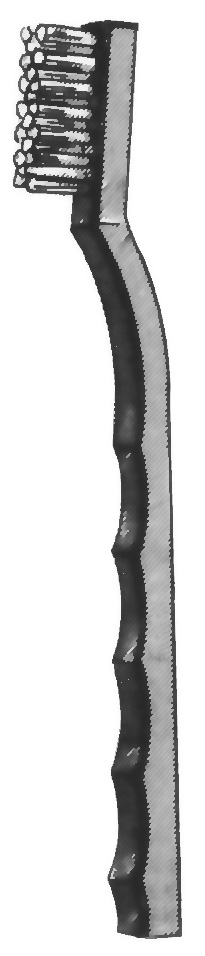
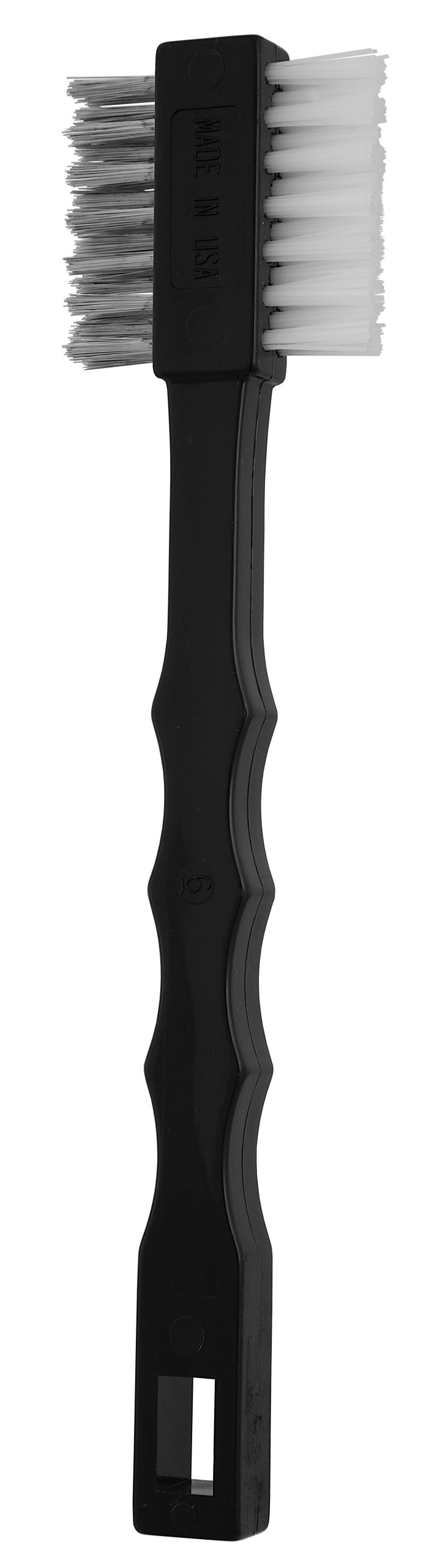
Surgical instrument cleaning brushes remove bioburden from instrument surfaces, joints and channels through manual scrubbing. Consider these three factors when selecting them:
Surgical instrument cleaning stylets clear blockages from cannulas, suction tubes and hollow instruments. gSource supplies them in 8 1/2″ straight designs with 1.1mm, 1.6mm or 2.5mm diameters. These tools feature ring handles and keep internal channels clear, so instruments arrive at sterilization ready for processing.
The Critical Role of Cleaning Tools in Sterile Processing
While automated washers can handle surface cleaning, medical instrument cleaning brushes and stylets reach areas that machines cannot access. They can be particularly useful for:
- Instruments with box locks, hinges and serrations.
- Cannulated tools and suction devices.
- Orthopedic instruments with textured surfaces or grip zones.
- Microsurgical tools with delicate tips and fine channels.
- Laparoscopic and arthroscopic instruments with multiple pivot points.
Quality cleaning tools support both patient safety and your facility’s regulatory compliance. Thorough manual cleaning prepares instruments for effective sterilization while extending their service life by helping to prevent corrosion and surface damage. gSource provides the instruments your team needs to maintain high standards.
Maintaining the Quality of Your gSource Instruments
Protecting your instrument cleaning brushes and stylets starts with consistent care practices. These high-quality tools perform reliably when handled in accordance with standard sterile processing protocols:
- Rinse brushes and stylets promptly after each use to prevent debris from hardening on bristles or shafts.
- Look for bristle loss or damaged shafts and handles that could compromise effectiveness.
- Replace tools when you notice signs of wear to maintain the cleaning standards your facility requires.
- Hang brushes and stylets to dry completely after rinsing to prevent moisture buildup that can damage bristles.
- Designate specific brushes and stylets for particular instrument types to reduce the risk of cross-contamination between procedural sets.
Following these practices helps you maximize the value of your instruments while ensuring your team has dependable tools for every reprocessing cycle.
Equip Your Facility With Compliant Cleaning Tools
When your staff has access to dependable brushes and stylets, they can clean instruments with confidence. We supply high-quality instruments that help protect patient safety across hospitals, surgery centers and medical practices. Call us at 201-599-2277 or fill out our online form for ordering assistance and ask about custom configurations or private labeling if your facility has unique requirements.