A Supplier’s Guide to Bone Saws in Orthopedic Surgery
Choosing the right bone saw for surgery depends on the anatomical site, bone density and surgical approach required for each procedure. This information helps facilities stock appropriate saw configurations across orthopedic service lines.
Matching the Instrument to Your Needs
Bone saw instruments are available in multiple configurations designed for different cutting applications. When evaluating options for your orthopedic program, consider these common patterns:
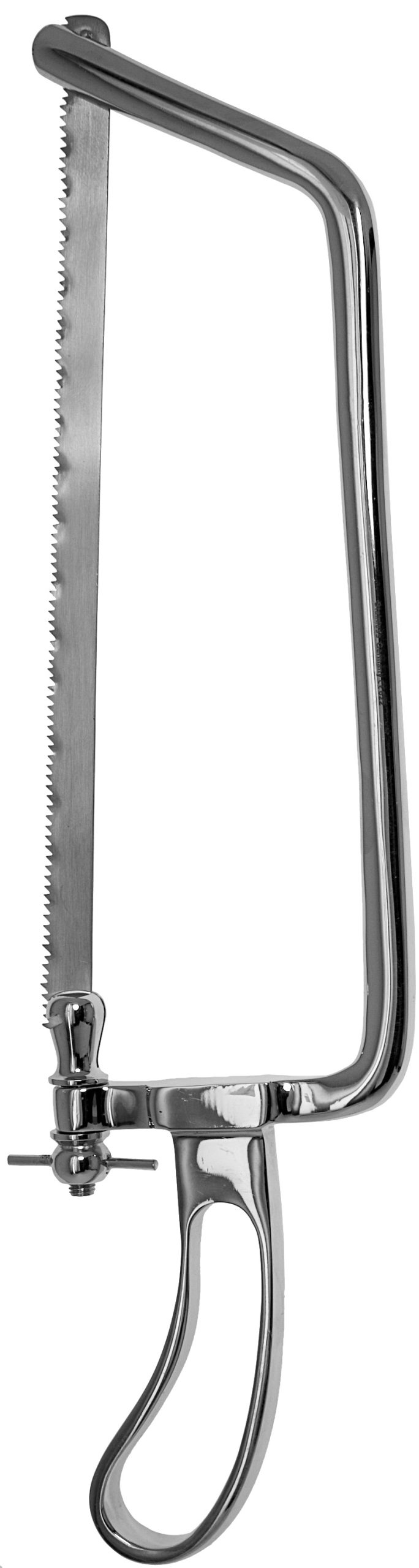
- Charriere amputation saws:Ring-handle instruments that accommodate interchangeable blades. Facilities stock Charriere configurations for amputations requiring controlled straight cuts.
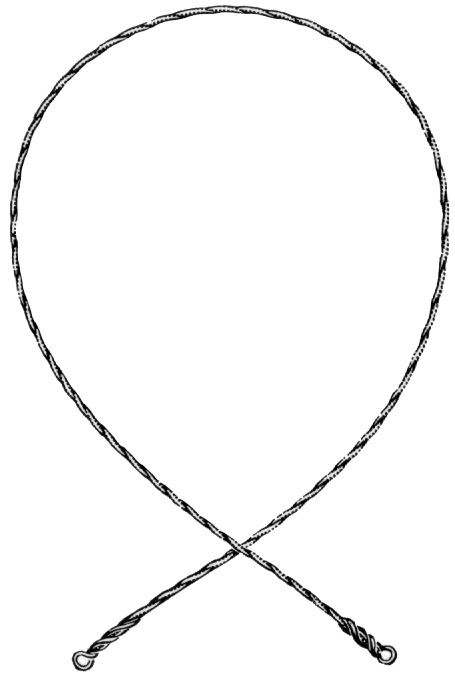
- Gigli saws:Flexible wire saws that consist of tempered steel blades with finger rings at both ends. The Gigli pattern enables cutting in confined spaces or around curved surfaces.
- Langenbeck metacarpal saws: Specialized instruments that support precise cutting in hand and wrist bones. Teams commonly select Langenbeck patterns for procedures involving metacarpal or phalangeal modification.
- Liston amputation knives: Specialized cutting instruments with double-edged blades for soft tissue dissection during amputation procedures. The Liston design supports efficient tissue management to expose the bone for sawing.
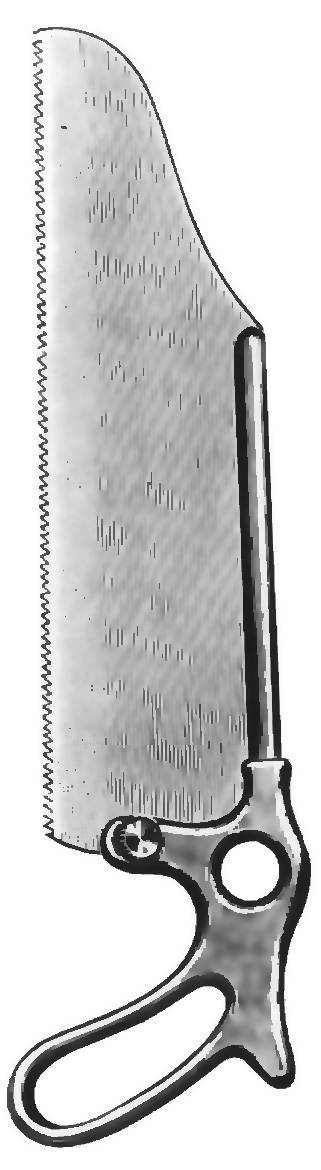
- Satterlee saws: Double-edged instruments that provide cutting surfaces on both blade sides. Teams often use Satterlee configurations when bidirectional cutting improves efficiency.
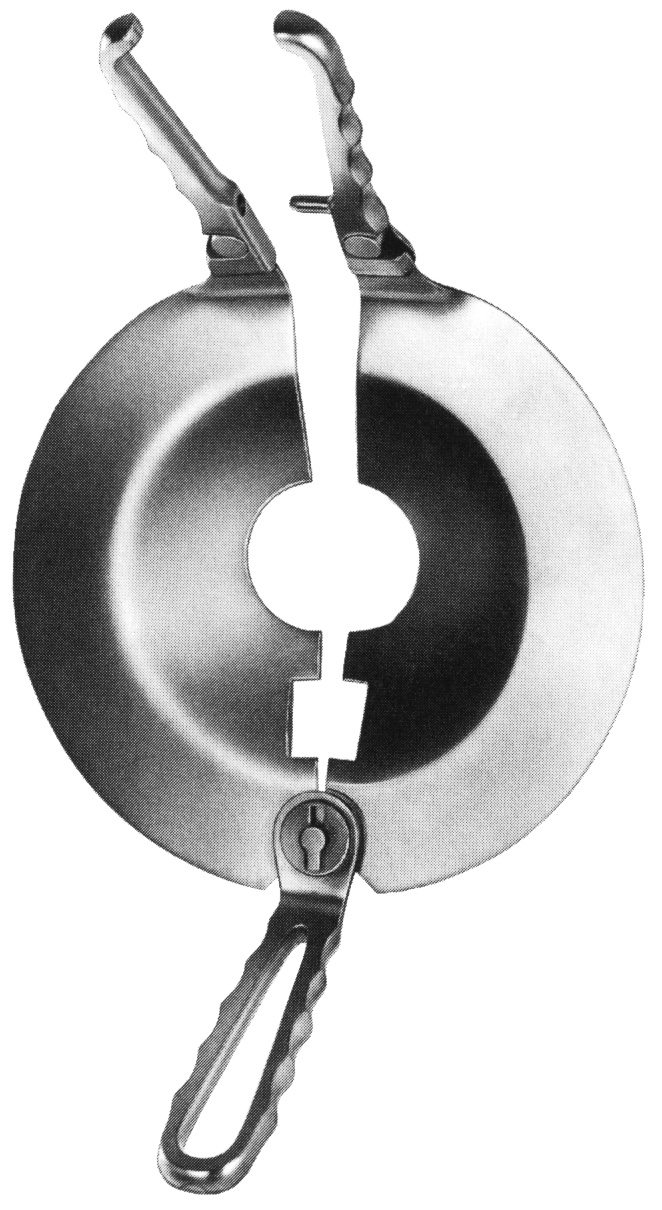
Percy amputation shields guide the saw blade and protect the surrounding tissue during cutting. Facilities stock Percy shields to enhance safety during procedures. Poppen Gigli saw guides position and control Gigli wire saws during use to support accurate placement and directional control.
Replacement blades are available separately for Charriere and Gigli systems. Understanding these differences helps you build comprehensive inventories matched to your case mix.
Intended Uses in Common Procedures
Bone saw surgical instruments support skeletal modification across orthopedic specialties:
- Trauma surgeons typically use these instruments during limb-threatening injury management, including traumatic amputations.
- Orthopedic oncologists often select bone saws during tumor removal procedures, where diseased bone needs to be removed.
- Arthroplasty specialists commonly use these tools to create precise bone cuts for optimal implant positioning.
- Podiatric surgeons often use specialized configurations during forefoot amputations, osteotomies and other procedures.
Tempered steel cutting edges maintain sharpness throughout procedures, supporting clean cuts that minimize trauma to adjacent tissue. Selecting appropriate patterns for specific anatomical requirements enhances precision across applications.
Maintaining the Quality of Your gSource Instruments
Proper maintenance preserves cutting performance and extends the lifespan of instruments. gSource bone saws benefit from routine maintenance protocols:
- Inspect cutting edges after each use for chips, dullness or damage that compromises performance.
- Clean all surfaces thoroughly to remove bone debris and organic material before sterilization.
- Follow manufacturer protocols for autoclaving to prevent warping or degradation of cutting edges.
- Store instruments in protected containers that prevent blade contact with other instruments.
- Replace blades when cutting performance diminishes or visible edge damage occurs.
Regular maintenance helps ensure bone saw instruments perform consistently throughout their service life.
Source Quality Bone Saws for Your Orthopedic Program
gSource maintains an extensive inventory of orthopedic instruments ready for immediate shipment. Review our complete surgical instrument catalog to identify tools and supplies your facility needs. Our knowledgeable team is available to answer questions about specific product requirements.
Contact us online or order bone saw instruments for your facility now.