


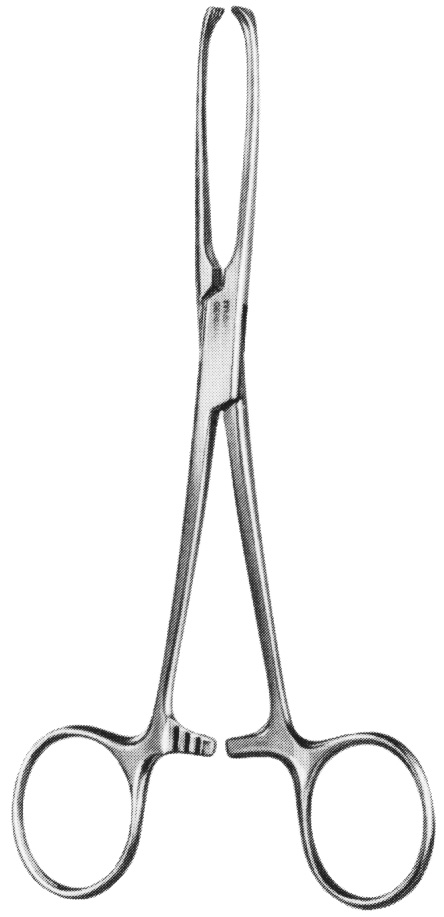
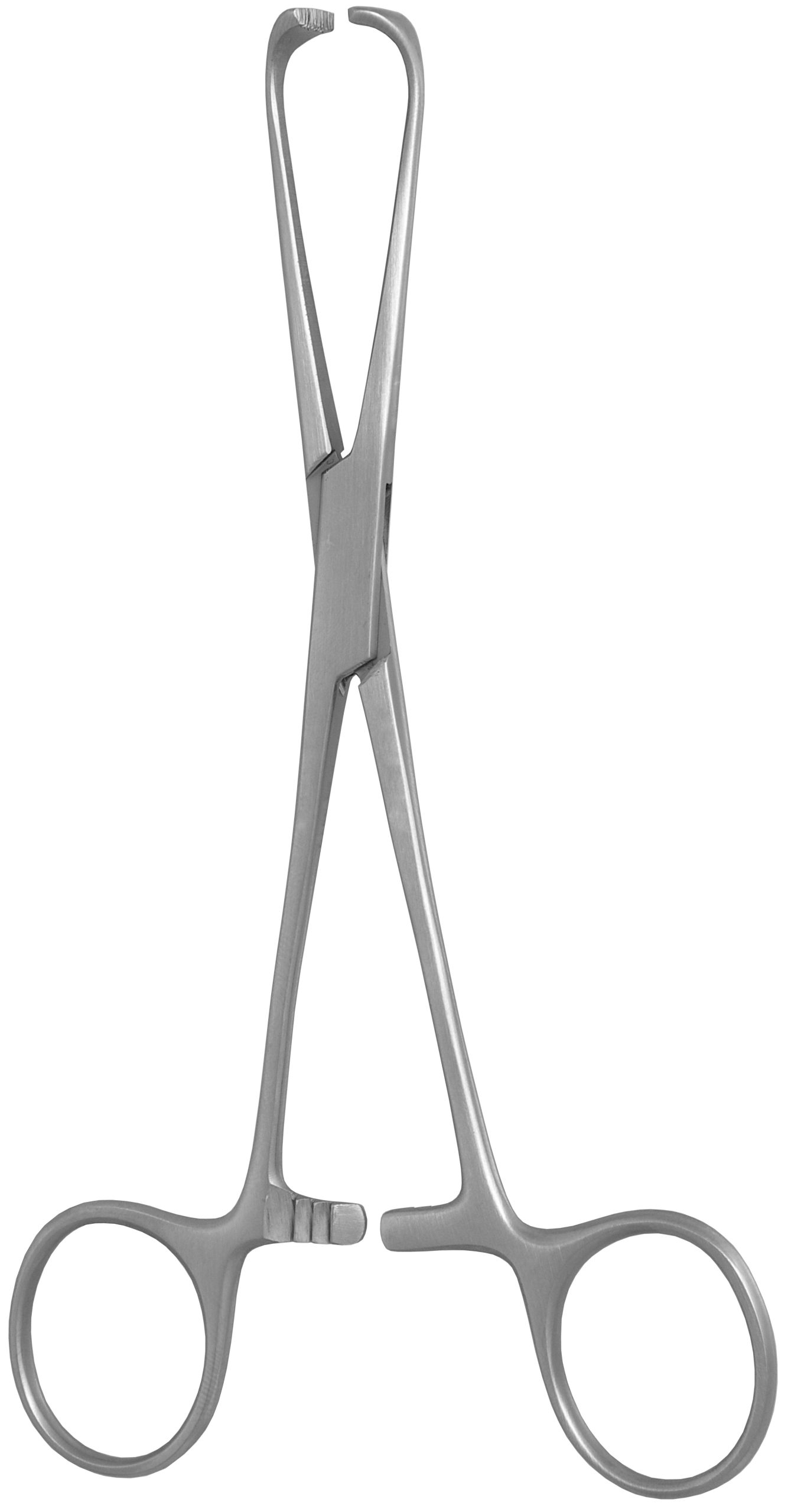
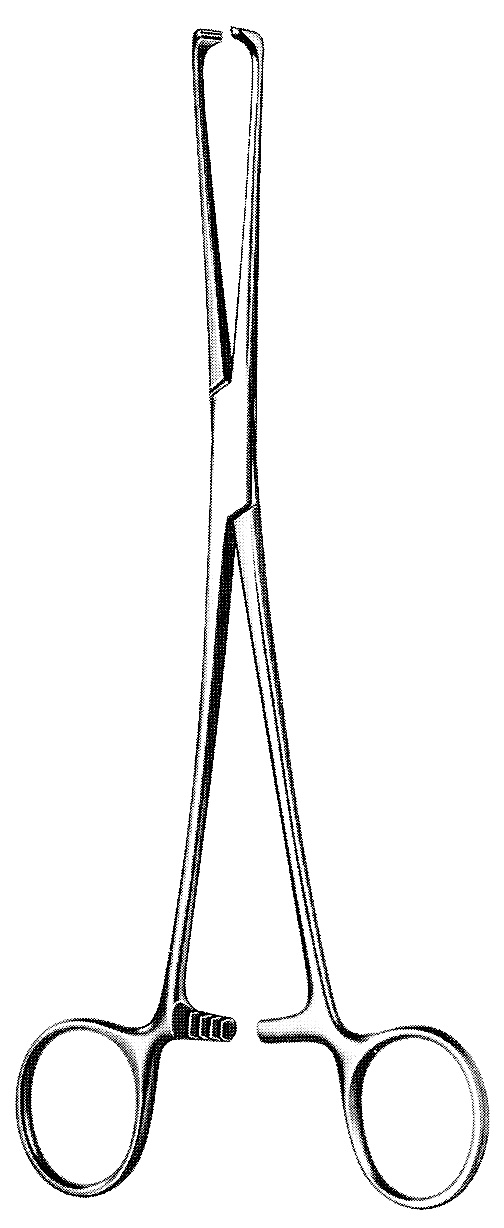
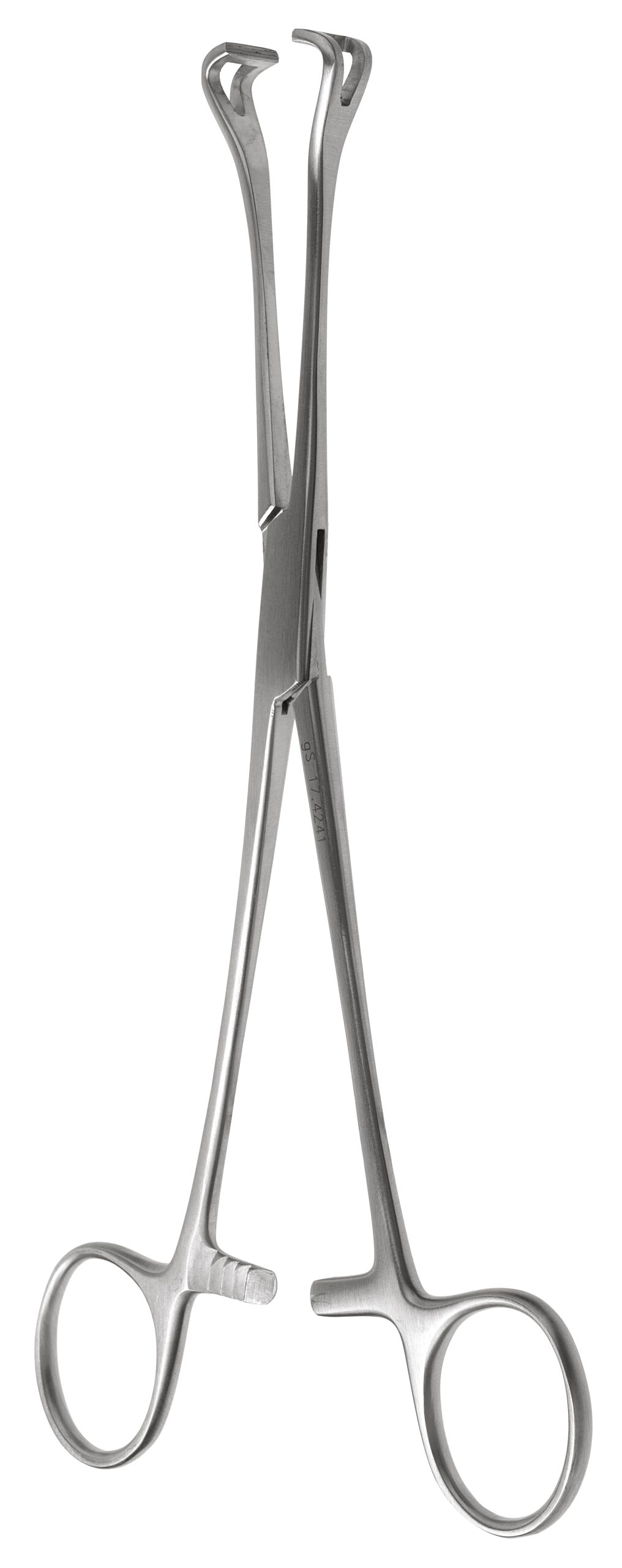









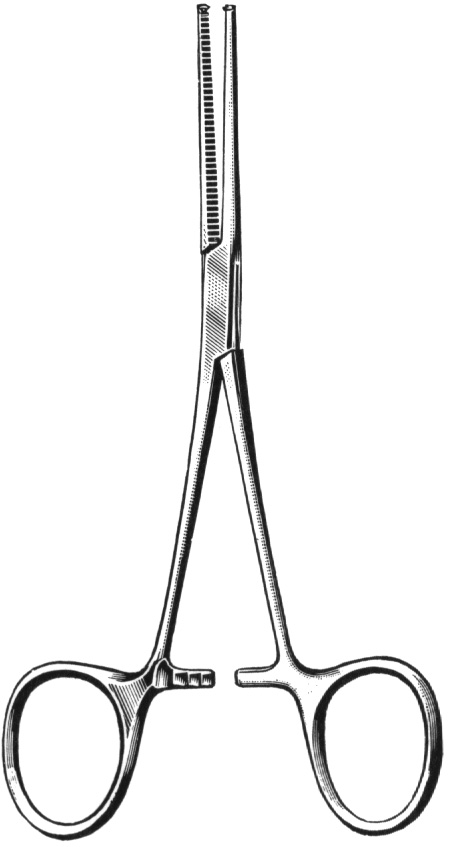

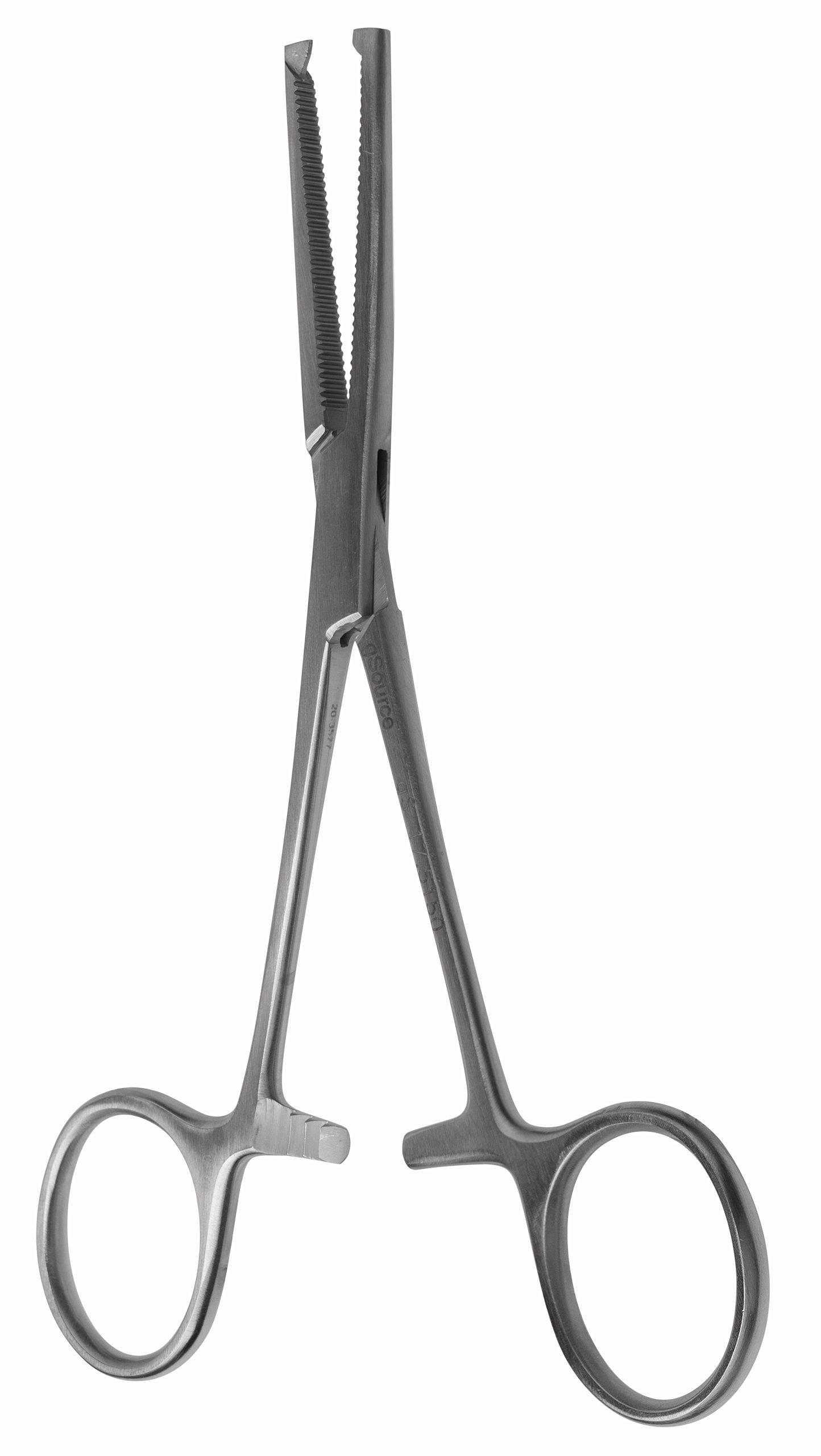





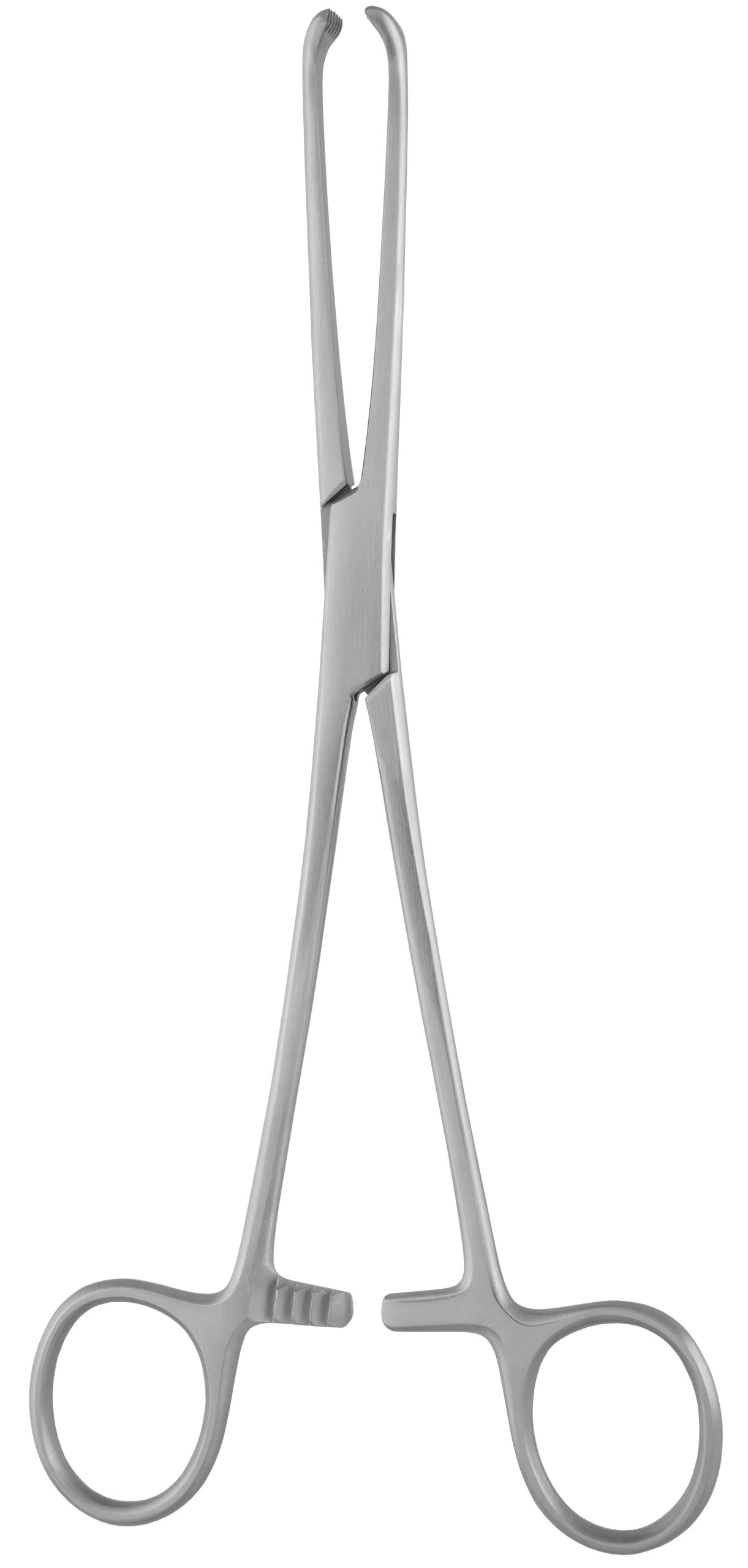


Forceps Tissue

Forceps Tissue Instruments
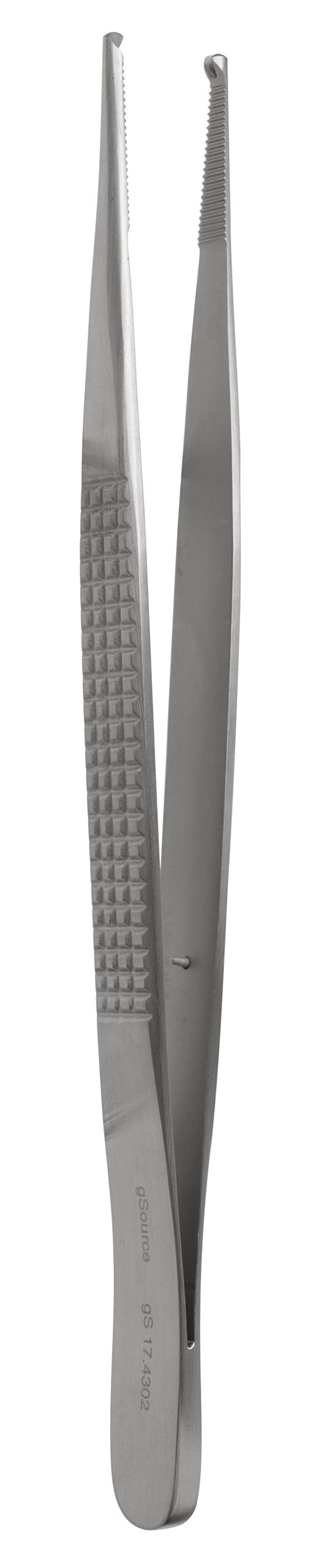
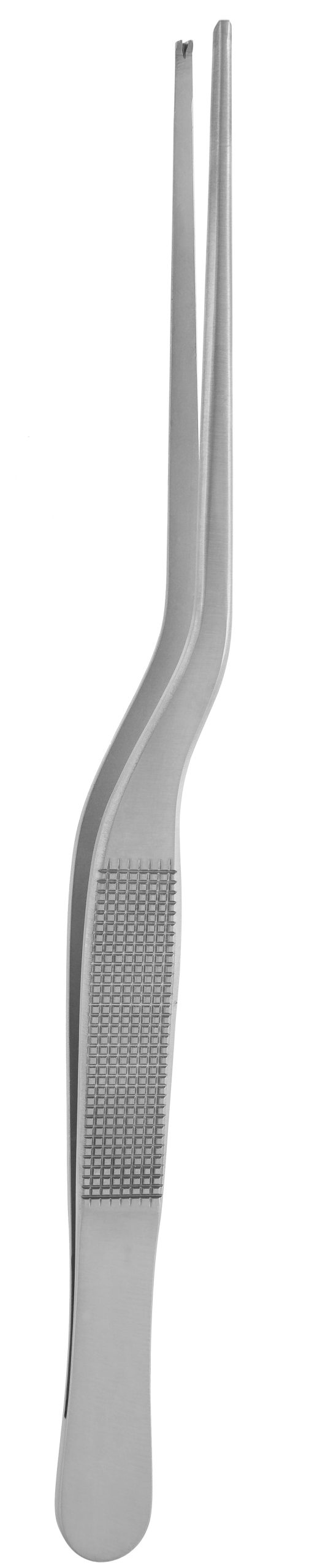
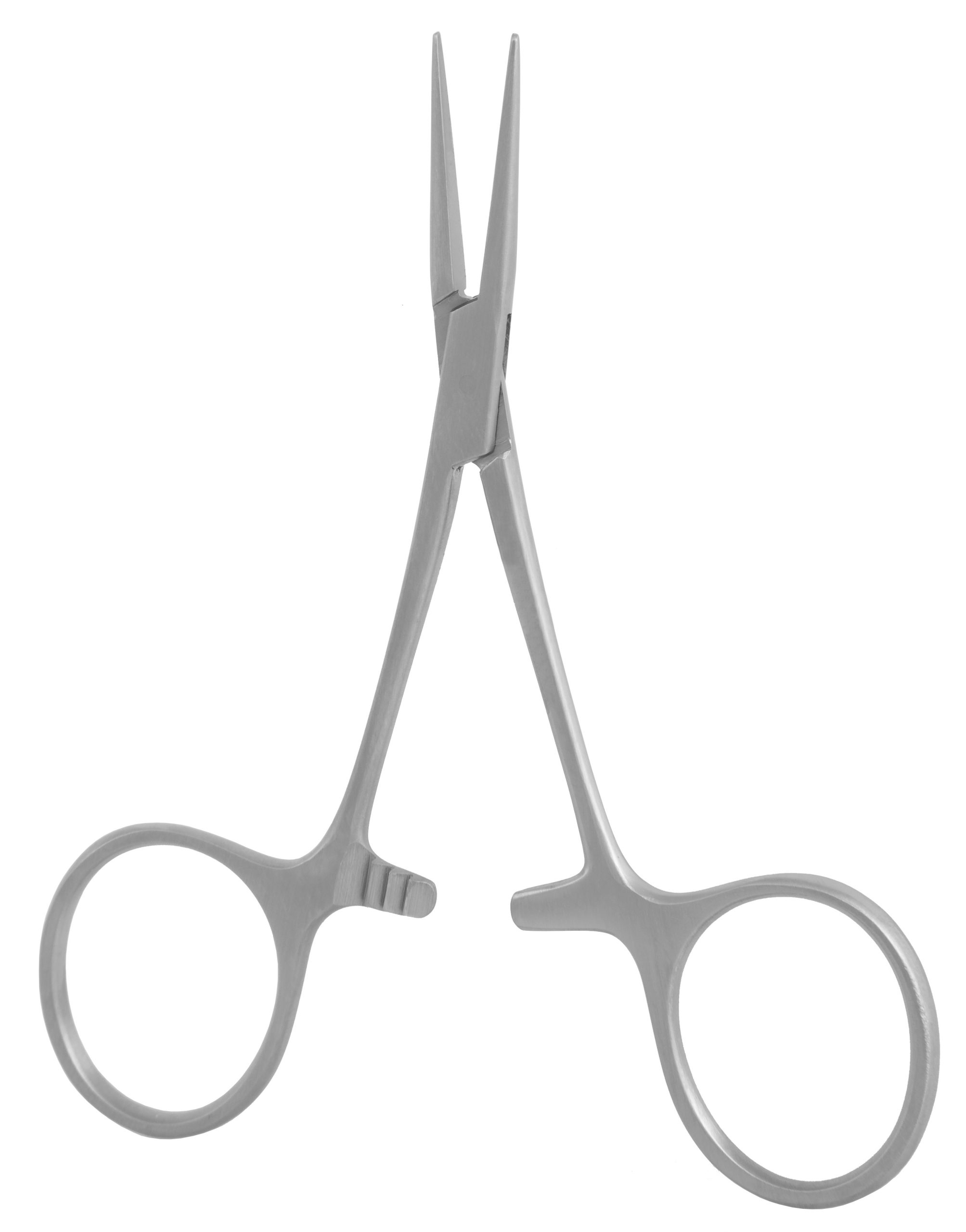
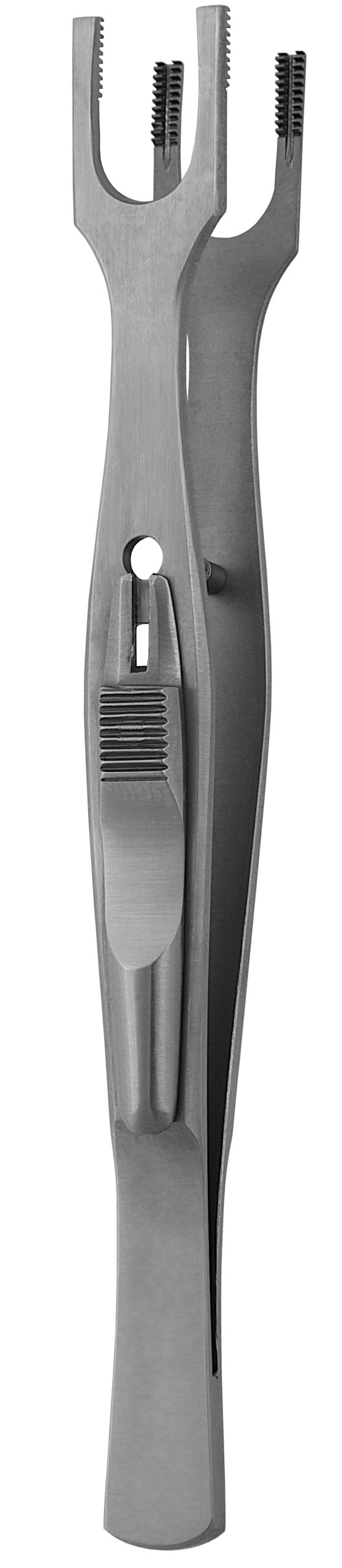
Tissue forceps are handheld grasping instruments used to manipulate soft tissue and manage tissue around bone fragments to facilitate procedural stability during orthopedic and general surgery procedures. As an ISO 13485-certified and FDA-registered manufacturer, gSource provides surgical facilities with instruments that meet regulatory standards.

Explore options and select models that suit your procedural workflows and surgeon preferences.

Forceps Tissue Instruments

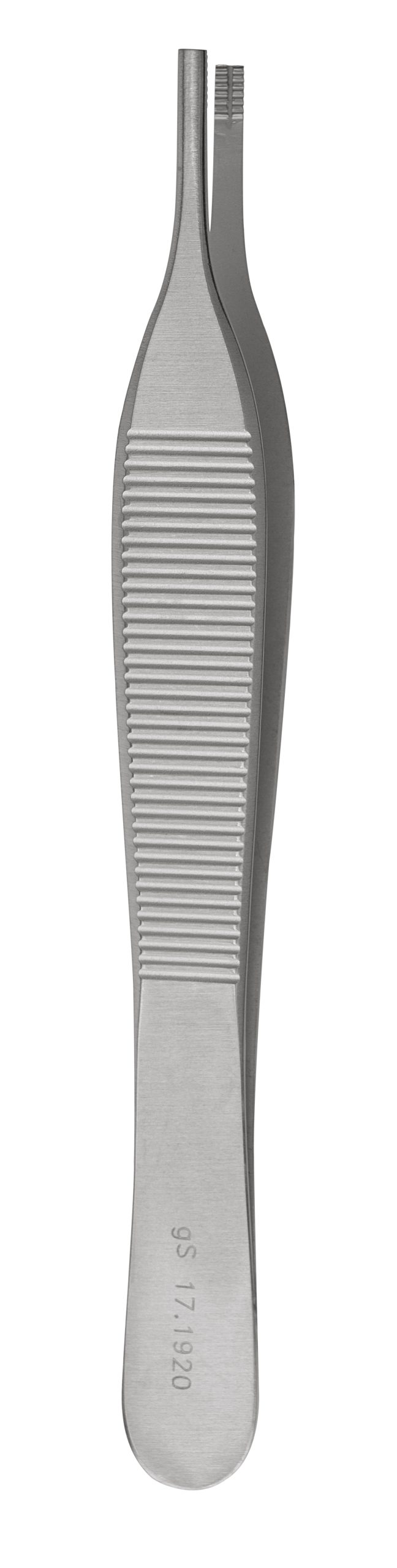
Adson Brown Forceps 4 3/4″ 7×7 teeth

gS 17.1920
In Stock
$43.03
Add to cart View DETAILS

Adson Brown Forceps 4 3/4″ 9×9 teeth

gS 17.1929
In Stock
$45.10
Add to cart View DETAILS

Adson Brown Tissue Forceps 4/34″ 9×9 teeth with fenestrated handles

gS 17.1935
In Stock
$90.87
Add to cart View DETAILS

Adson Forceps 4 3/4″ 1×2 delicate tying platform smooth 0.9mm

gS 17.1665
In Stock
$71.26
Add to cart View DETAILS

Adson Forceps 4 3/4″ 1×2 teeth 1.0mm, Titanium blue

gS 17.1620
In Stock
$145.87
Add to cart View DETAILS

Adson Forceps 4 3/4″ 1×2 teeth 1.3mm

gS 17.1660
In Stock
$30.11
Add to cart View DETAILS

Adson Forceps 4 3/4″ 1×2 teeth delicate 0.9mm

gS 17.1640
In Stock
$32.88
Add to cart View DETAILS

Adson Forceps 4 3/4″ 2×3 teeth 1.7mm

gS 17.1670
In Stock
$52.60
Add to cart View DETAILS

A Supplier’s Guide to Orthopedic Tissue Forceps

Many tissue forceps are used in orthopedic and general surgery applications, and procurement decisions depend on the tissue type, grip requirements and anatomical access demands of each procedure. Compare common configurations to identify the best forceps for your surgical teams.

Matching Instruments to Your Needs

Orthopedic tissue forceps vary by grip characteristics and structural design. Facilities typically assess these options based on surgical applications:

  • Adson tissue forceps: The 1×2 and 2×3 teeth patterns provide controlled grip on delicate soft tissue during wound closure and superficial dissection. Procurement teams may select Adson models when procedures require fine tissue manipulation with minimal crushing.
  • Adson Brown tissue forceps: The 7×7 and 9×9 teeth configurations provide a secure hold on dense tissue and fascia. The Adson Brown forceps design addresses situations that require a firm grip without excessive pressure that could damage surrounding structures.
  • Allis tissue forceps: The multiple interlocking teeth grasp tissue edges during retraction and specimen handling. Allis tissue forceps instruments are used in procedures where it is necessary to hold tissue in place during surgery.
  • Allis Adair tissue forceps: The specialized variant features wider jaws and deeper teeth for securing thicker tissue bundles. Surgical teams select Allis Adair models when standard Allis forceps lack sufficient surface area grip.
  • DeBakey tissue forceps: The atraumatic serrated jaws minimize tissue damage during vascular and delicate tissue manipulation. Facilities stock DeBakey patterns when procedures involve structures sensitive to crushing injury.
  • Russian tissue forceps: The broad, fenestrated tips distribute pressure across larger tissue surfaces. Russian forceps are used in applications that require a stable grasp of deeper tissue layers during orthopedic exposures.
  • Babcock tissue forceps: The smooth, rounded jaws protect hollow structures and organs during retraction. Procurement departments maintain Babcock inventory for procedures where tissue preservation is critical.

Understanding these distinctions helps purchasing teams assemble comprehensive orthopedic sets that accommodate surgeon preferences and case variety.

Intended Uses in Common Procedures

Matching forceps selections to procedural demands supports efficient tissue handling and helps minimize iatrogenic injury. Tissue forceps support multiple stages of orthopedic surgical workflows, including:

  • Joint replacement procedures require tissue forceps to retract muscle layers and manipulate soft tissue around the acetabular and femoral components.
  • Fracture fixation cases require forceps to manage the surrounding soft tissue, which indirectly supports the stabilization of bone fragments during plate application and allows for maintaining reduction positions while hardware is secured.
  • Spinal surgery teams rely on tissue forceps to retract paraspinal muscles, handle dural tissue and manipulate nerve root structures during decompression procedures.
  • Sports medicine procedures use delicate forceps patterns for arthroscopic tissue handling and manipulation of ligament grafts during reconstruction.
  • Trauma cases require forceps that can secure damaged soft tissue while surgeons address underlying bone injuries and vascular structures.

Maintaining the Quality of Your gSource Instruments

Diligent maintenance preserves forceps performance and extends service life:

  • Follow autoclave specifications for your facility’s sterilization equipment to prevent heat damage to forceps tips and joints.
  • Examine teeth alignment before each case to identify wear patterns that compromise gripping capability.
  • Clean tissue debris from teeth immediately after use to prevent buildup that interferes with proper jaw closure.
  • Store forceps with tips protected in designated instrument trays to avoid damage during handling and transport.

These maintenance practices help preserve the precision grip required for orthopedic procedures.

Source Your Tissue Forceps Through gSource

gSource stocks over 95,000 surgical instruments ready for immediate shipment. Our vast inventory helps facilities maintain the instrument selection needed to support diverse orthopedic case loads without supply gaps.

Contact us to discuss bulk orders or specialized procurement requirements, or place your order today.