A Supplier’s Guide to Medical and Surgical Wrenches
Medical wrench selection depends on fastener type, access constraints and tightening control requirements. The categories below address common instrument configurations for general surgery and orthopedic applications.
Matching Instruments to Your Needs
Surgical facilities stock wrenches to support multiple procedure types. Procurement teams coordinate wrench specifications with the external fixation brands and implant systems that their surgeons routinely use.
These include:
-
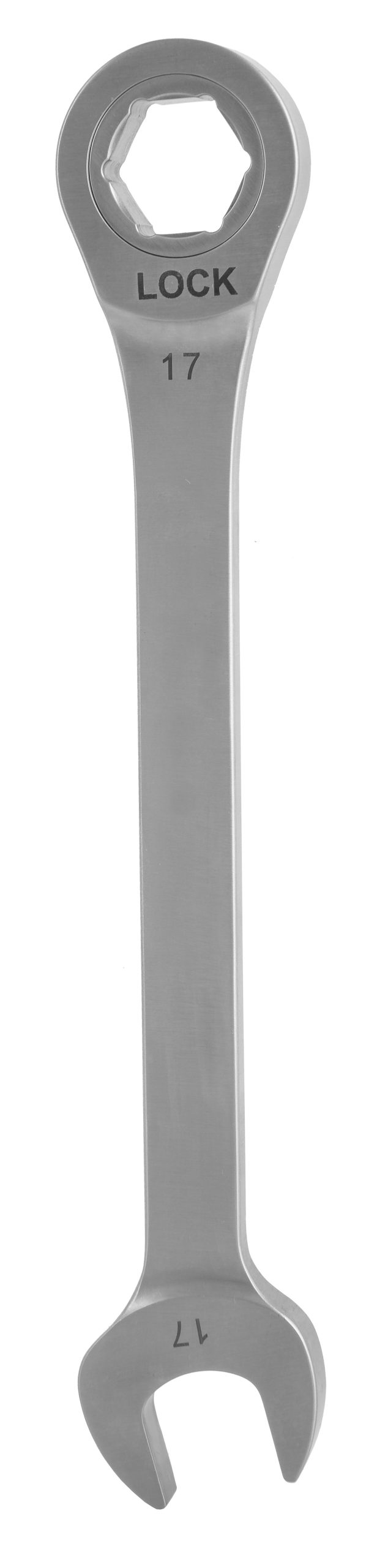
Open-end combination wrenches: The fixed-jaw opening engages hex fasteners when full rotation clearance is available. The open-end design slides onto fastener heads from the side.
-
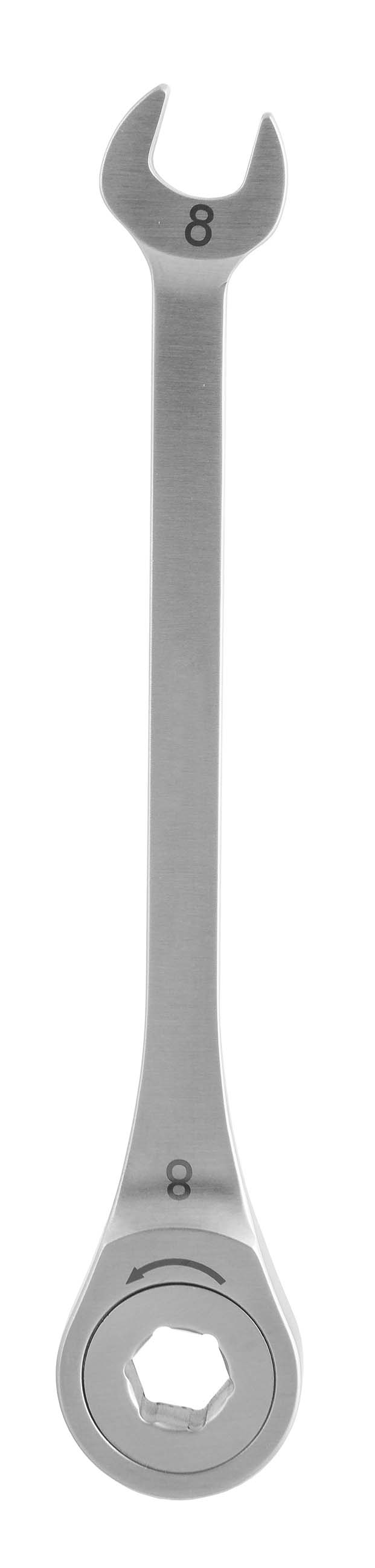
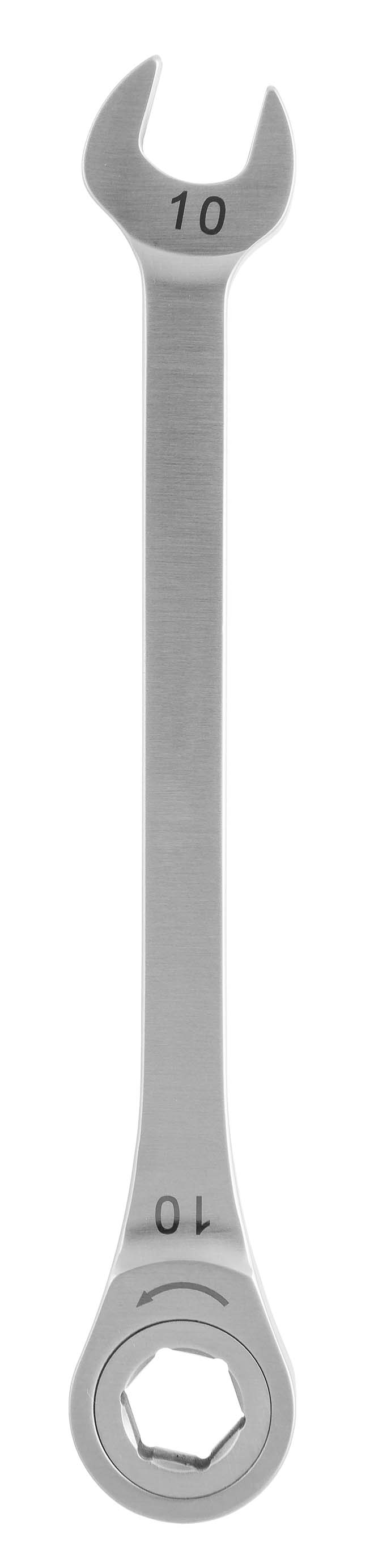
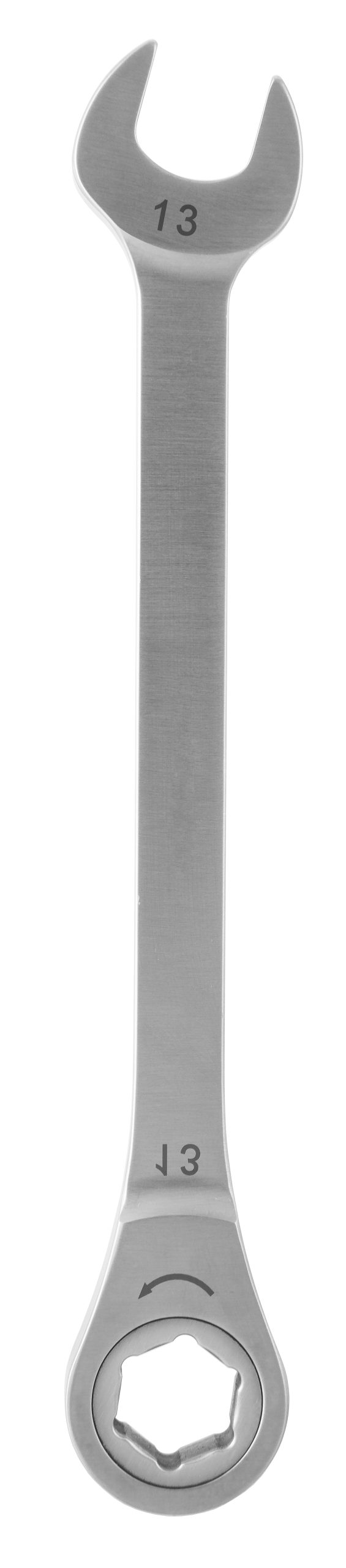
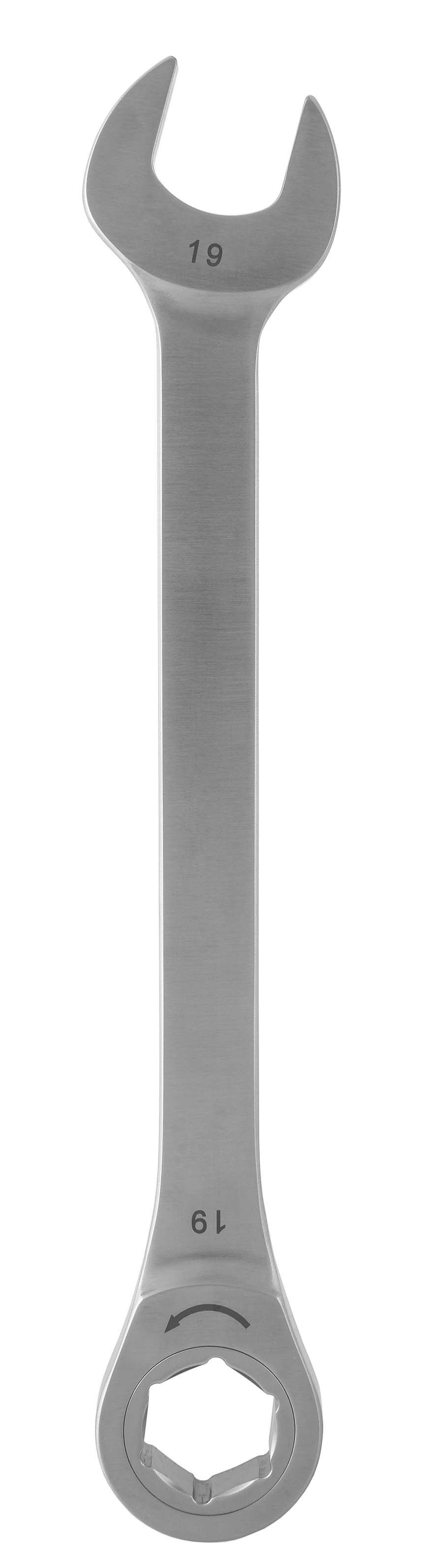
Ratcheting combination wrenches: The ratchet mechanism tightens or loosens fasteners without repositioning the wrench after each turn. This reduces procedure time when working in confined surgical spaces.
-
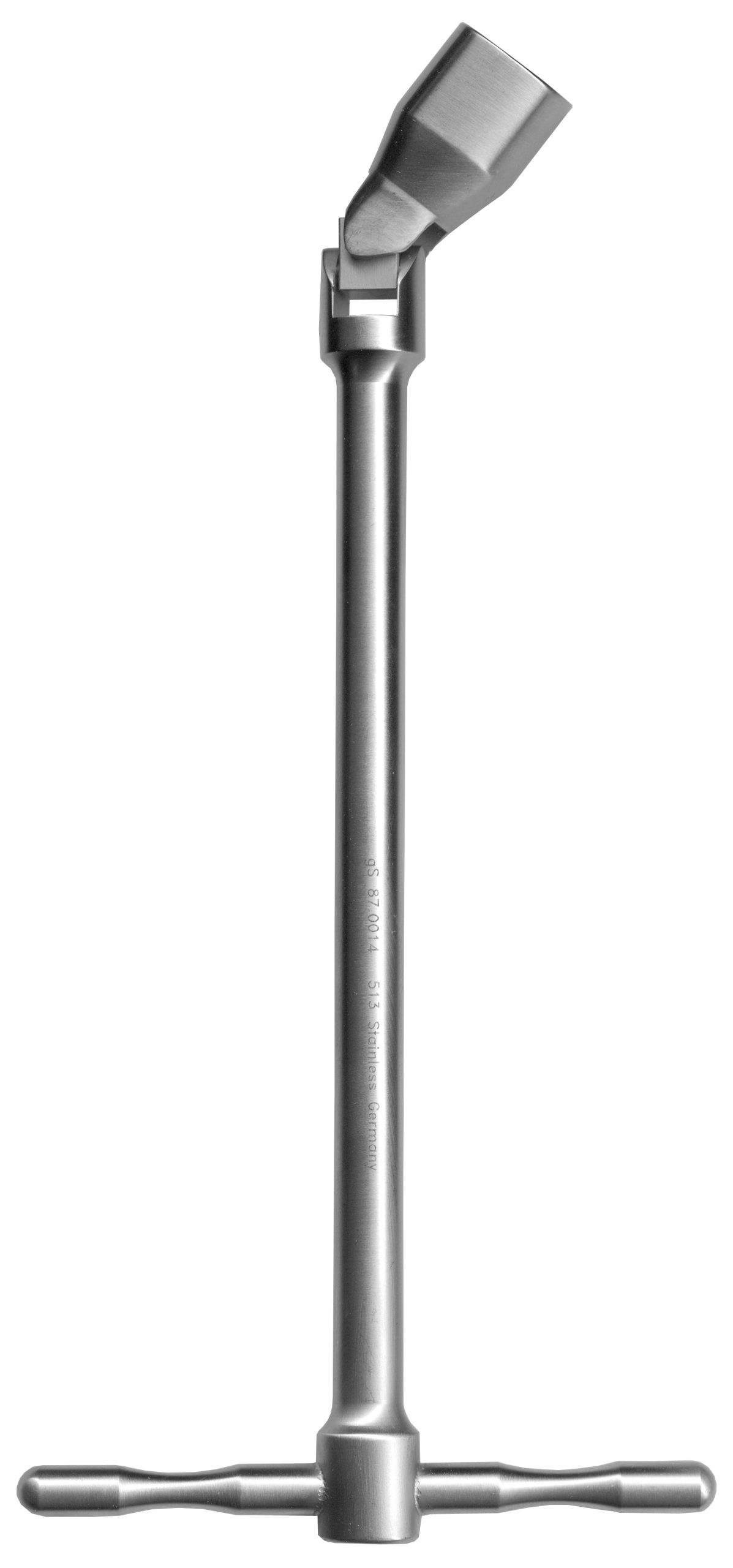
Socket wrenches: The enclosed socket design fully surrounds fastener heads, distributing tightening force evenly and preventing slippage. Socket configurations work effectively with recessed fasteners and set screws in deep anatomical spaces.
Size availability spans 8mm through 19mm to accommodate the range of fastener dimensions used across orthopedic hardware systems and surgical device components.
Intended Uses in Common Procedures
Surgical wrenches tighten and adjust surgical hardware in orthopedic and trauma procedures:
-
External fixation procedures require wrenches to assemble frame components and adjust pin-to-bar connections during fracture stabilization. Surgeons tighten clamps and joints to specific torque requirements while maintaining proper alignment.
-
Spinal instrumentation cases use wrenches to secure rod-to-screw connections and tighten set screws that lock spinal construct components. The ratcheting mechanism enables controlled tightening in the limited space around spinal hardware.
-
Implant placement procedures rely on wrenches to tighten abutment screws to manufacturer specifications. Socket wrenches engage recessed hex connections without damaging surrounding prosthetic components.
Maintaining the Quality of Your gSource Instruments
Consistent care practices preserve the functionality of wrenches across repeated use cycles. The stainless steel construction tolerates cleaning protocols without surface degradation:
-
Verify ratchet mechanisms operate smoothly before each procedure by testing the ratchet function in both directions. Sticky or binding ratchets indicate debris buildup or mechanical wear.
-
Clean all jaw surfaces and socket interiors immediately after use to remove trapped bone fragments or tissue that interfere with proper fastener engagement. Use ultrasonic cleaning for recessed areas.
-
Inspect jaw openings for deformities that may prevent a secure fastener grip. Worn or spread jaws require replacement to avoid fastener slippage during critical tightening procedures.
-
Store wrenches in clean, dry environments to prevent impact damage to precision jaw surfaces and ratchet mechanisms.
Order Surgical Wrenches for Your Facility Now
gSource manufactures surgical instruments for facilities that require reliable access to high-quality specialty tools. Our catalog supports procurement teams with over 95,000 instruments available and ready to ship. Every surgical wrench you order from us passes comprehensive quality assurance testing for material, workmanship, dimensional accuracy and functional performance before reaching your facility.
Contact our team with questions about specific products or browse our catalog of surgical wrenches and place your order today.