
Suture Removal and Scissors Stitch

Suture Removal and Scissors Stitch Instruments
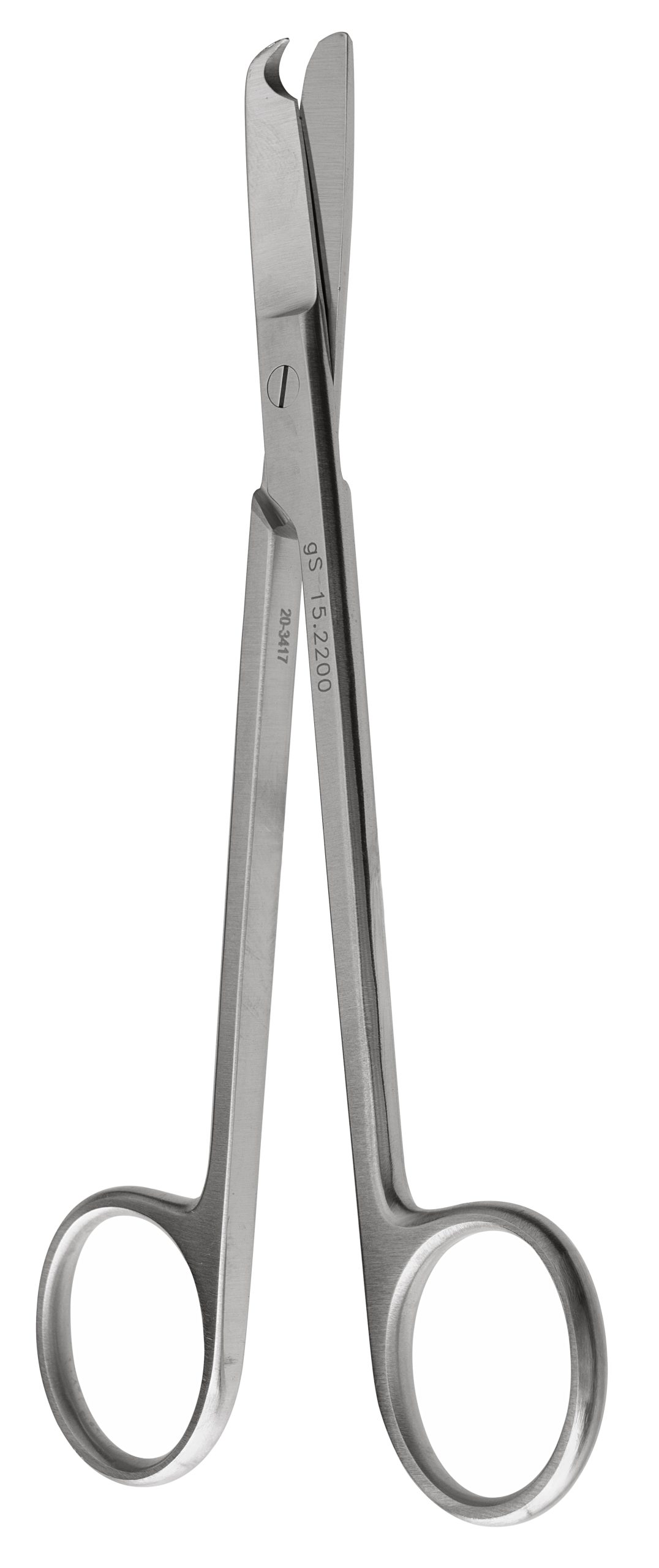
Stitch scissors are designed for suture removal in post-operative orthopedic care. These tools feature angled blades and fine tips that help surgeons cut sutures near joint replacements, fracture repair sites and other orthopedic wound closures. gSource supplies a selection of them, backed by ISO 13485 and EU MDR certifications and sourced from accredited manufacturers. This guide helps you identify which best fits your procedural requirements.

Suture Removal and Scissors Stitch Instruments

Littauer Stitch Scissors 5 1/2″

gS 15.2200
In Stock
$68.99
Add to cart View DETAILS

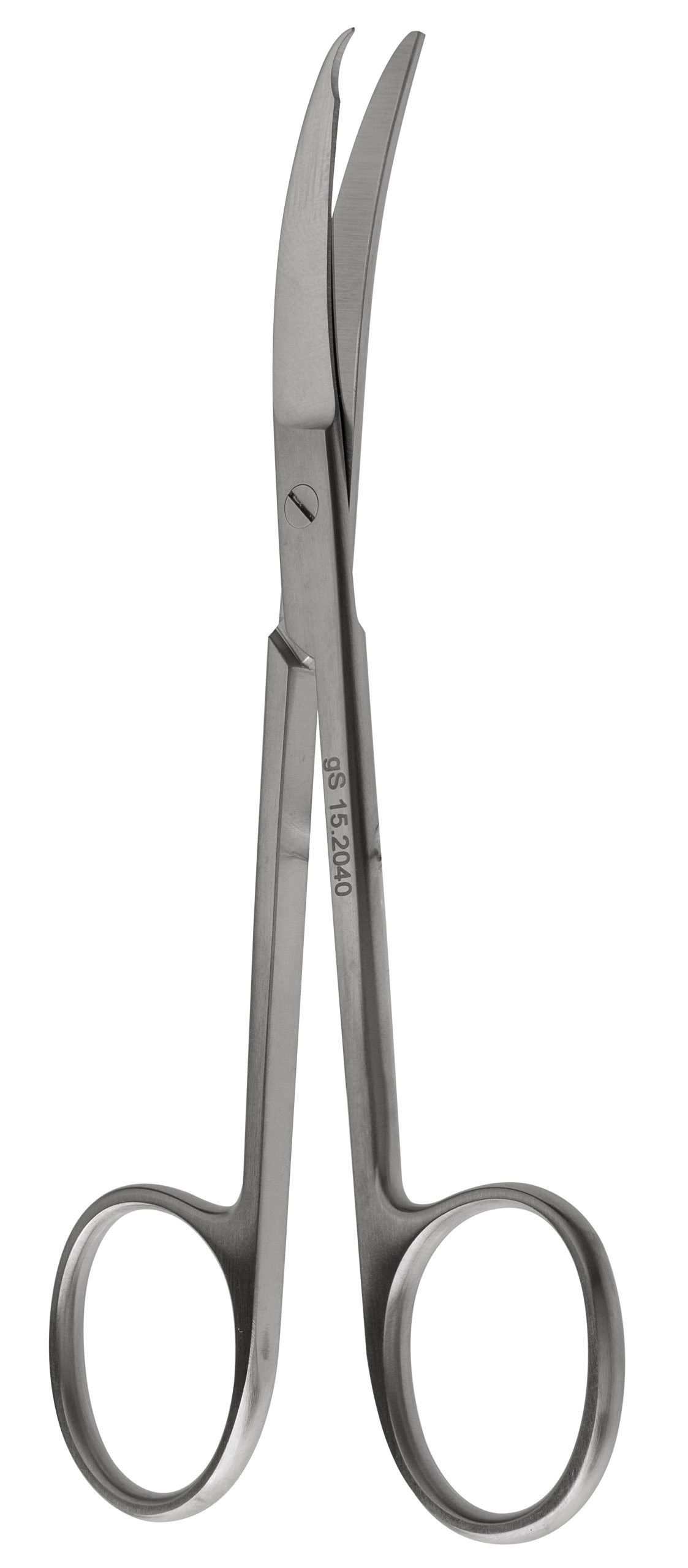
Northbent Stitch Scissors 4 3/4″

gS 15.2040
In Stock
$67.39
Add to cart View DETAILS

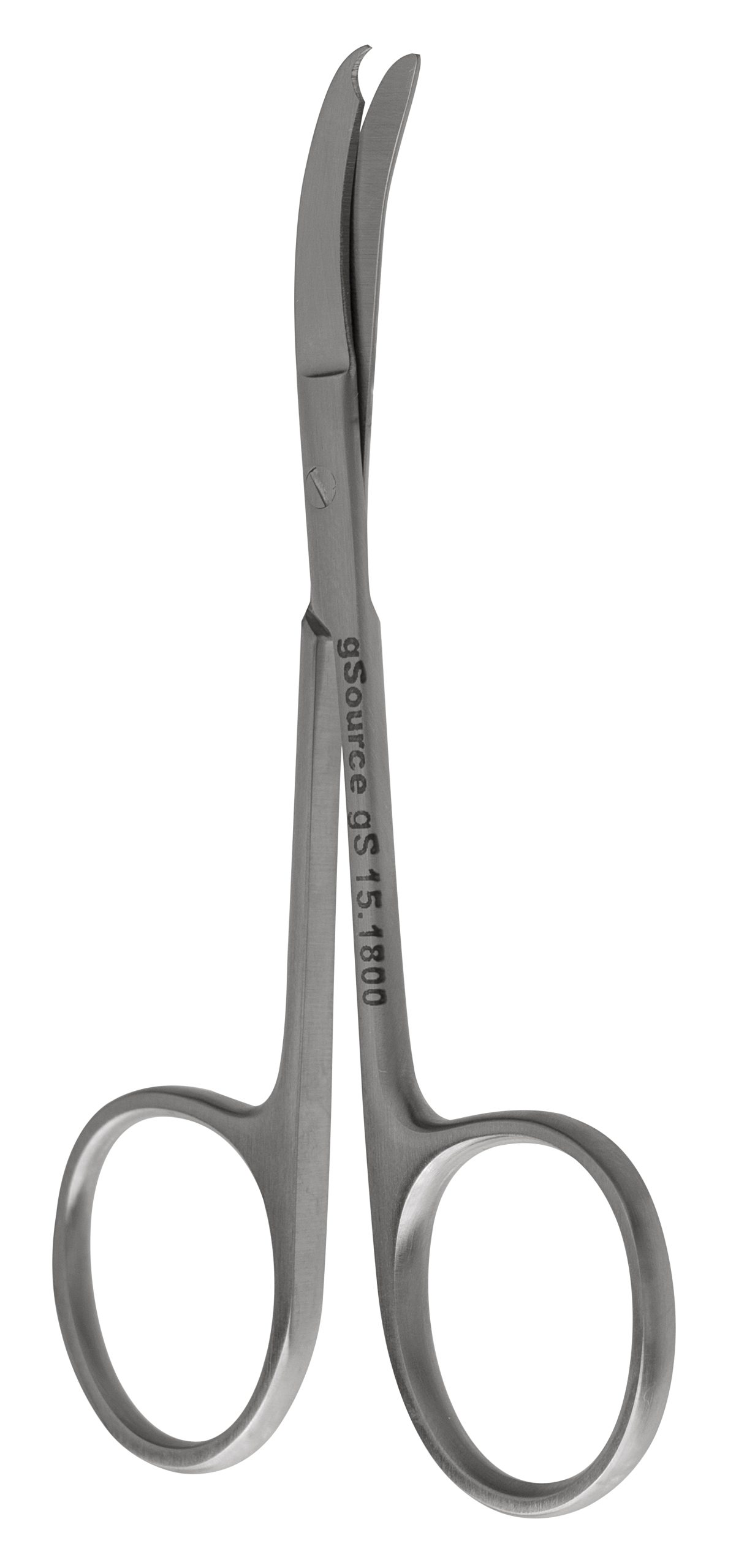
Shortbent Stitch Scissors 3 1/2″

gS 15.1800
In Stock
$68.03
Add to cart View DETAILS

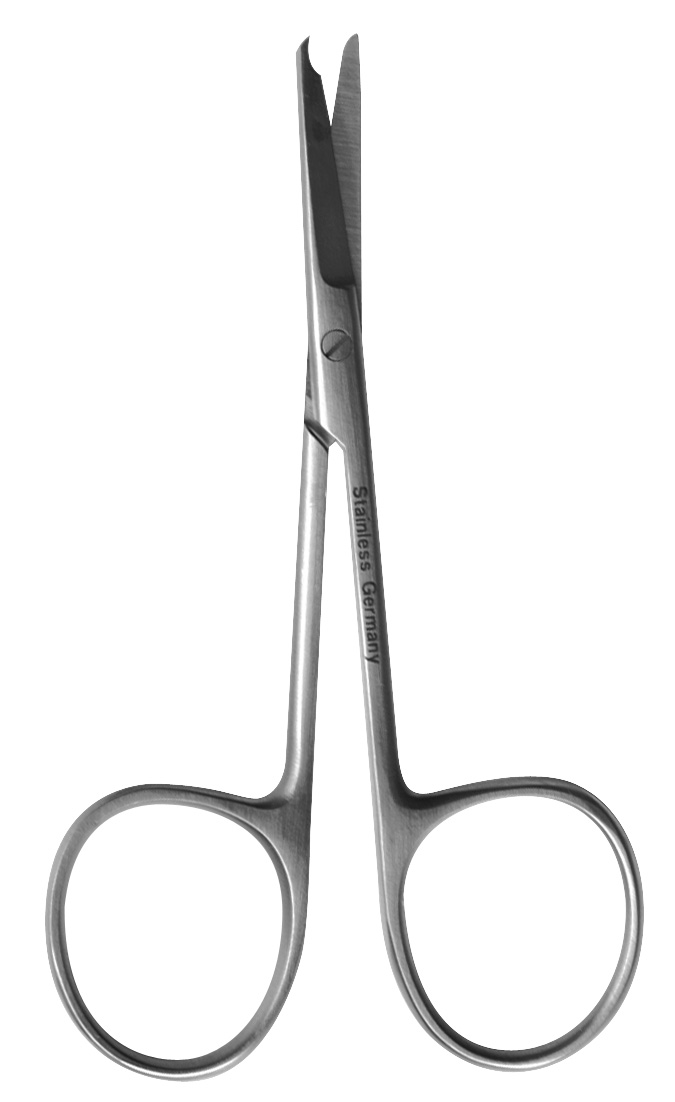
Spencer Stitch Scissors 3 1/2″

gS 15.1680
In Stock
$62.52
Add to cart View DETAILS

Spencer Stitch Scissors 5″

gS 15.1920
In Stock
$67.95
Add to cart View DETAILS

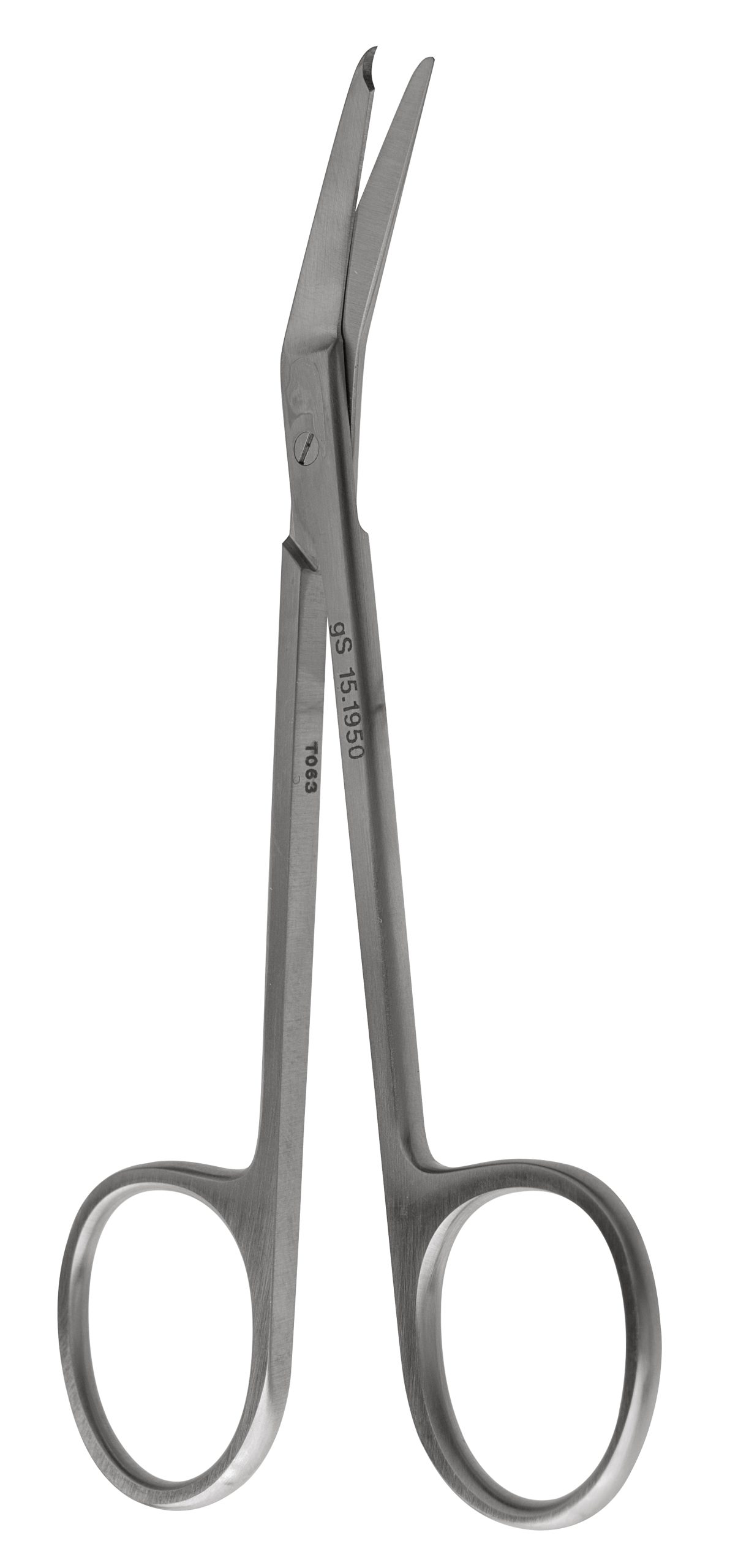
Stitch Scissors 4 1/2″ angled delicate
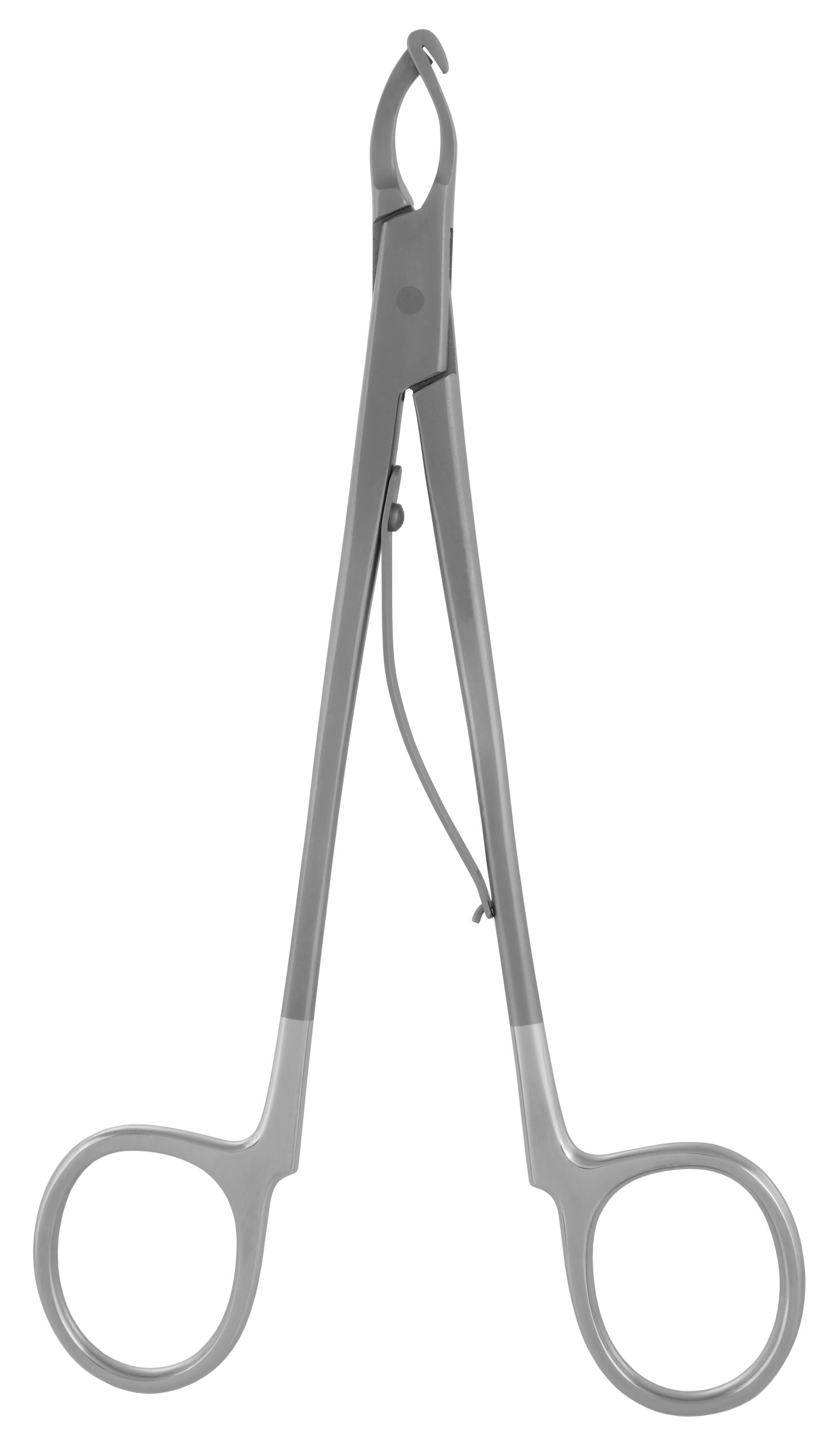
gS 15.1950
In Stock
$75.55
Add to cart View DETAILS

Suture Cutter 6″ straight, flat and reversible, CGS 3-0/7-0, Silk 2-0/6-0

gS 15.2300
In Stock
$280.41
Add to cart View DETAILS

A Guide to Our Orthopedic Stitch Scissors

Selecting the right instrument depends on the surgical site, suture type and access requirements. Each category features distinct blade configurations and handle designs suited to specific clinical applications.

  • Stitch scissors: These instruments typically feature straight or slightly curved blades with tapered tips for accessing sutures at varying depths. Available in multiple handle lengths, they offer flexibility for clinicians working with different wound sizes and suture placement patterns.
  • Spencer stitch scissors: These tools feature sharp tips and a moderate blade angle, allowing controlled access to sutures in confined anatomical spaces. The design works well for general orthopedic suture removal.
  • Littauer stitch scissors: Characterized by a hook-style blade that slides beneath sutures for a secure grip before cutting, this configuration can help clinicians isolate individual stitches during procedures.
  • Northbent and Shortbent scissors: These variants offer angled blades at different degrees to accommodate various approach angles. Northbent models provide extended reach, while Shortbent models deliver precision in tight spaces near joints and close stitch-line areas.
  • Suture cutters: These instruments feature compact blade designs that support access to sutures in areas with limited space. The construction helps prioritize durability for facilities managing high procedure volumes.

The Standard for Safe Suture Removal

In orthopedic settings, following procedures like total knee arthroplasty or open reduction internal fixation, suture removal requires instruments that can navigate around hardware, joint contours and healing tissues. The blade angle and tip determine how easily clinicians can position the instrument while minimizing the risk of disturbing the wound site.

Sharp, properly maintained blades reduce the need for repeated cutting attempts, which can cause tissue irritation. Instruments with fine tips help surgeons slide beneath individual sutures without catching surrounding tissue. These features contribute to smoother post-operative care and help support the healing process.

Protecting Your Suture Scissor Investment

Proper care of surgical instruments can help extend their service life and support consistent cutting performance. The following maintenance steps are recommended for all orthopedic stitch scissor categories.

  • Clean tools immediately after use to prevent biological material from hardening on blade surfaces.
  • Follow your facility’s sterilization protocols, which may involve autoclaving at recommended temperatures and durations.
  • Inspect blades regularly for misalignment that could compromise cutting performance.
  • Store tools in protective cases to prevent damage during transport.
  • Consider professional sharpening services when blades show signs of dulling.

These practices help preserve the precision your team relies on while maximizing the return on your investment. Implementing a routine maintenance schedule can support operational continuity and minimize the likelihood of unexpected instrument replacement costs.

Source Your Stitch Scissors

Explore our complete catalog or reach out to our team to discuss your specific needs. We support bulk orders, custom requirements and private labeling to align with your facility’s branding and inventory management systems. Fill out our online form today with any questions, or place your order.