Comparing Wrench Types and Features
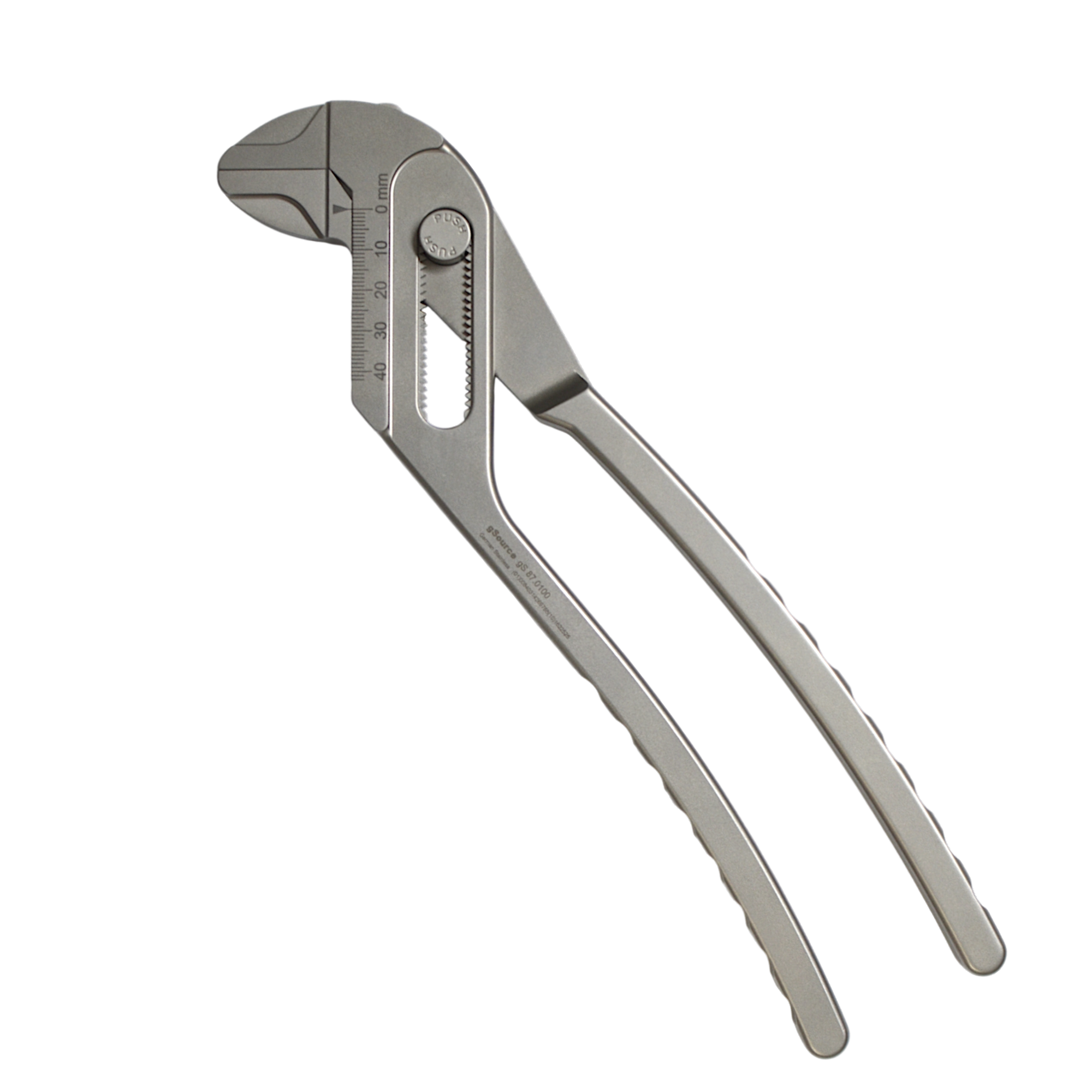
We manufacture two primary categories, each for specific fastener types and surgical scenarios:
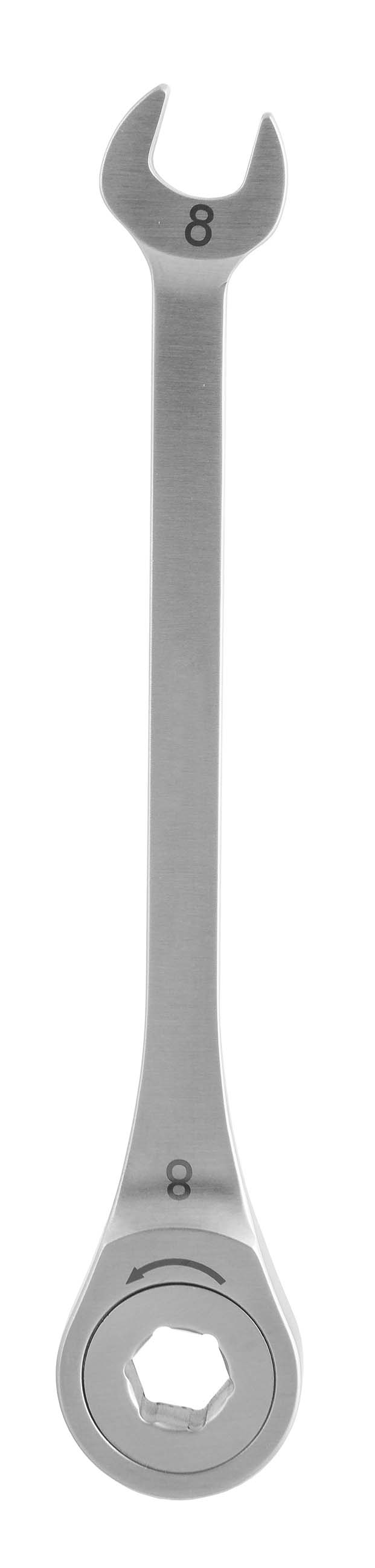
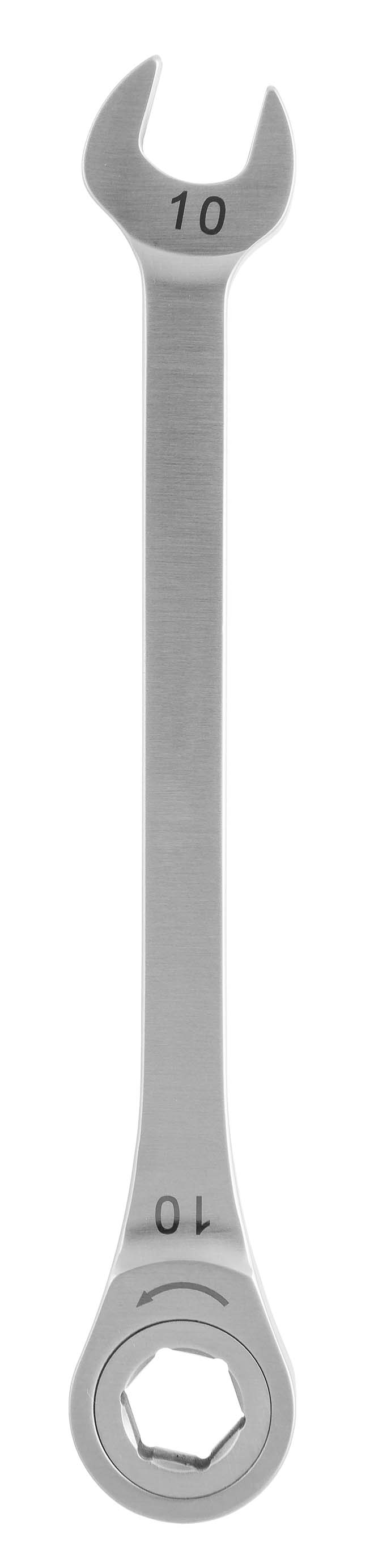
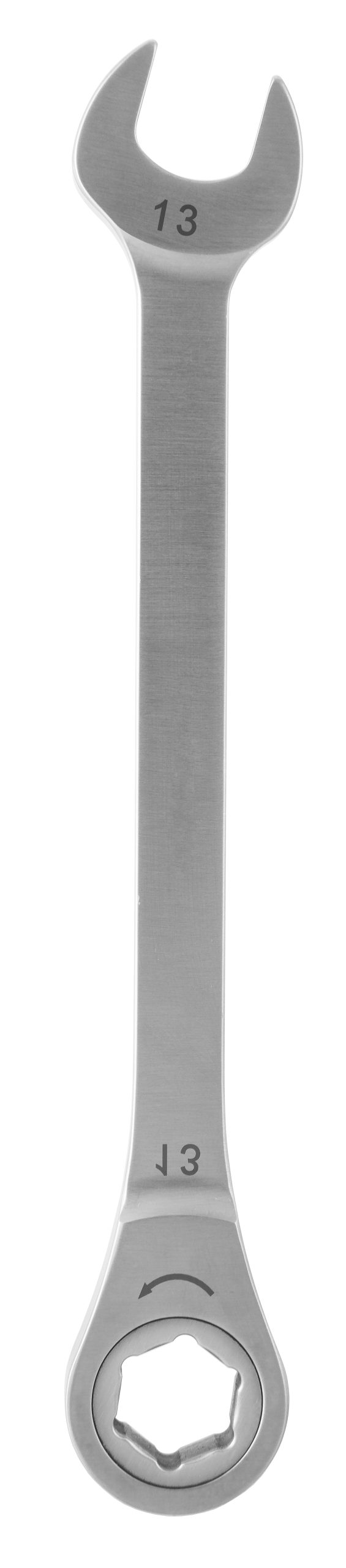
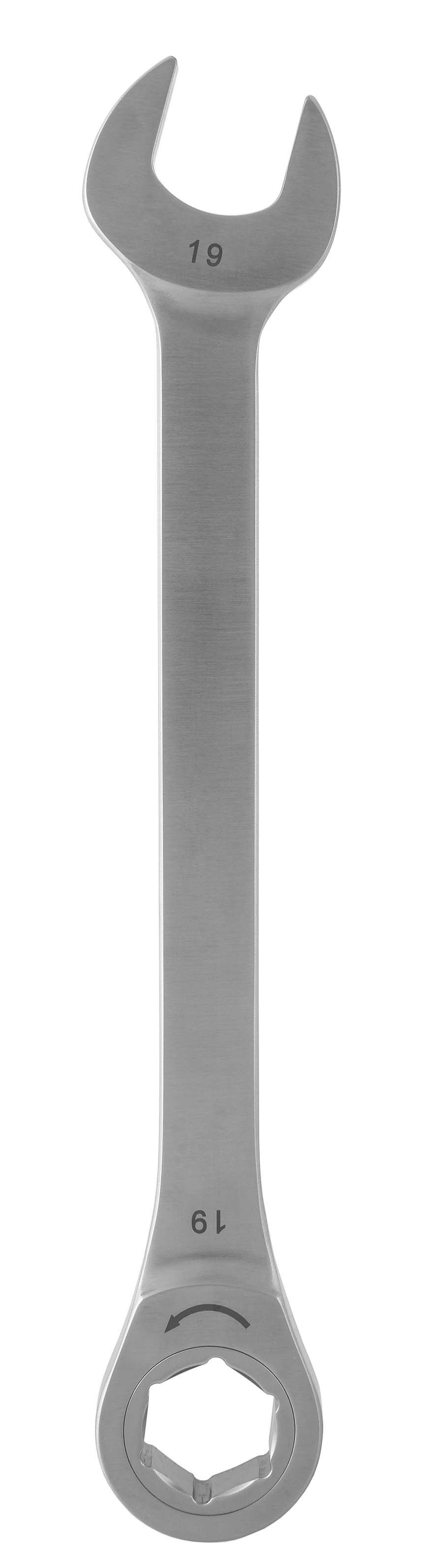
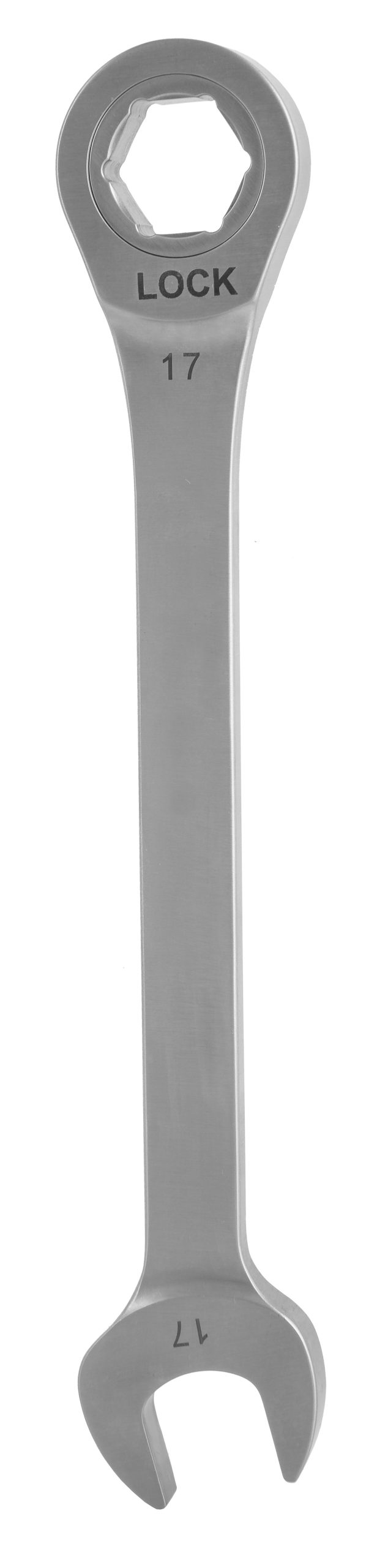
- Stainless steel combination wrench: These wrenches feature an open end and a box end. The dual-ended design allows surgeons to approach fasteners from different angles without switching instruments. The wrenches work well for standard hexagonal nuts and bolts commonly found in trauma plating systems and external fixation devices.
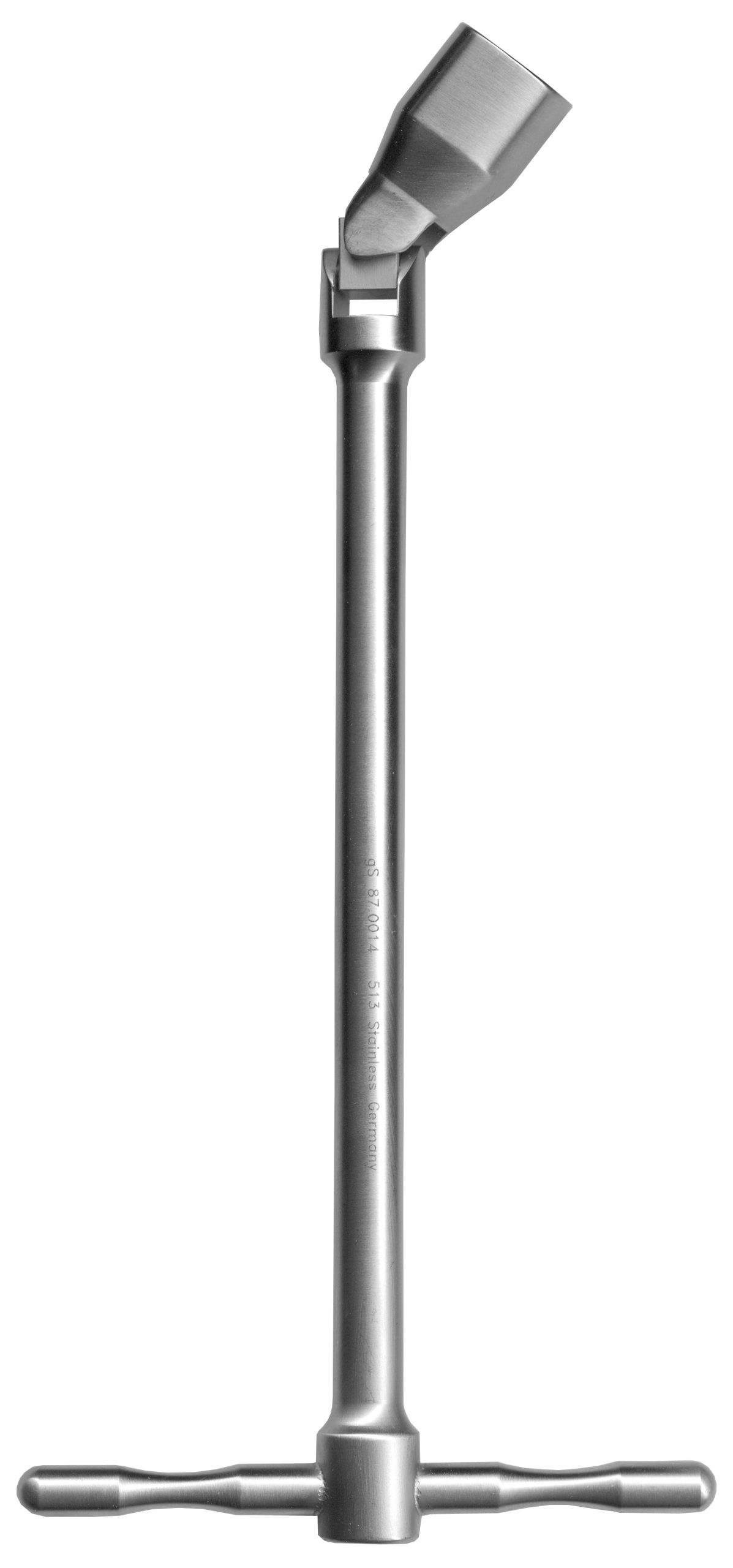
- Stainless steel socket wrench: These wrenches feature enclosed-head designs that fit over specific fastener sizes. The configuration helps to reduce the risk of slippage during torque application. Surgeons use these tools for nuts and bolts in spinal rod systems, bone plate applications and joint reconstruction hardware.
When choosing wrench medical instruments, consider:
- The ratcheting: The wrench ratcheting mechanism permits continuous motion in the tightening direction while the reverse direction freewheels. This feature helps reduce operative time and physical strain during procedures requiring multiple fastener adjustments.
- The overall length: Wrench length affects both leverage capability and accessibility in different operative sites. Longer instruments provide increased torque potential but may be difficult to maneuver in confined spaces near joints or between tissues. Facilities typically stock multiple lengths to accommodate various procedural requirements.
Clinical Applications
Wrench instruments play an essential role in procedures where implant stability depends on proper fastener tension. Common applications include:
- Spinal fusion surgery: Surgeons use these tools to secure rods to pedicle screws, creating the construct needed for vertebral stabilization. Proper torque applied can affect the immediate postoperative and healing process.
- Trauma fracture fixation: Wrenches attach bone plates to the underlying screws in fracture cases. Proper tightening helps maintain plate-to-bone contact and compression across fracture sites.
- Joint reconstruction: In procedures such as hip or knee arthroplasty, surgeons use wrenches to secure modular implant components. Insufficient torque in these applications could lead to loosening or dissociation.
Solid stainless steel construction helps reduce the risk of plating material flaking into the surgical site. The material is designed to maintain dimensional properties throughout extended use, which can support consistent torque application across multiple procedures.
Instrument Care and Maintenance
Proper maintenance practices can help extend the service life of orthopedic wrenches while supporting consistent performance:
- Rinse instruments promptly after use to prevent biological material from drying on surfaces or in ratcheting mechanisms.
- Check ratcheting mechanisms regularly to confirm smooth operation without excessive play that could affect torque transfer.
- Inspect wrench heads for wear that might compromise secure fastener engagement during procedures.
- Store instruments in designated trays with individual compartments to prevent contact damage between sterilization cycles.
Explore Our Orthopedic Wrench Catalog
Our team responds quickly to purchasing inquiries and provides technical specifications to support your compliance review process. We can accommodate private labeling requests and custom orders for facilities with specific procurement requirements. Call us at 201-599-2277 or fill out our online form today.