A Supplier’s Guide to Drill Sleeves in Orthopedic Surgery
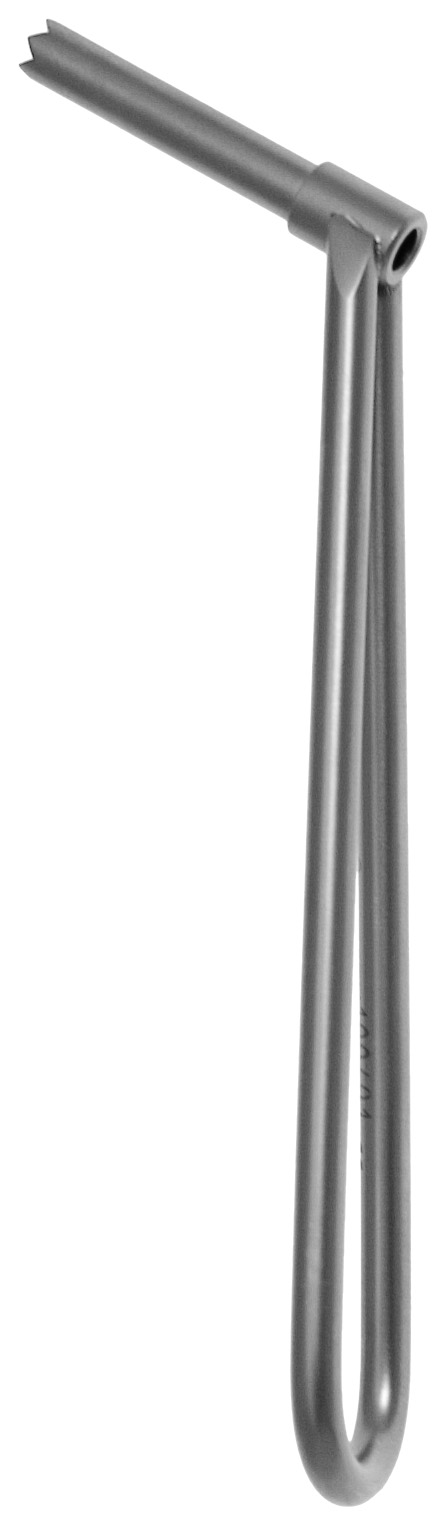
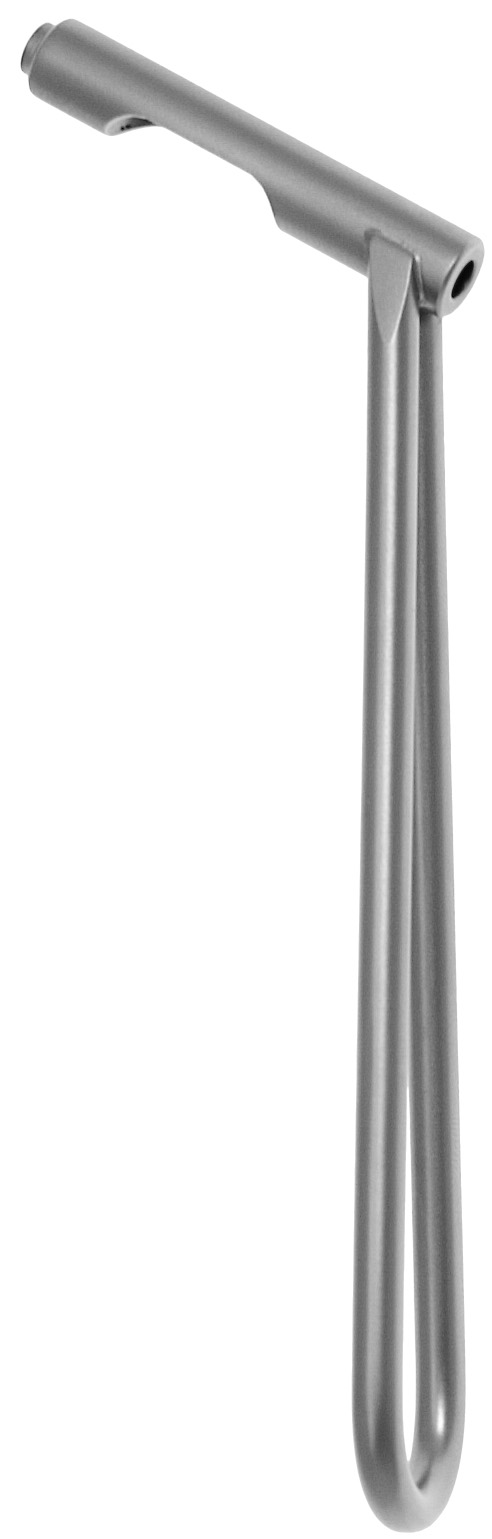
Selecting the right drill sleeve requires evaluating inner diameter sizing, tip design and how the sleeve interfaces with your plating systems. Find information about drill guide sleeve types, double drill sleeve configurations and insert drill sleeve options available for orthopedic drilling operations.
Matching the Instruments to Your Needs
Your facility’s fracture repair methods determine which drill sleeve types you need to stock. Consider how these categories address different surgical scenarios:
- Drill guide/sleeve DE: Channels drill bits at precise angles for bone screw insertion. This drill bit sleeve guide serves as an insert drill sleeve for plating systems to maintain accurate angles.
- Double drill sleeve instruments:Contain dual channels that accommodate drilling from two different angles without repositioning.
- Drill sleeves for round holes: Create a protective barrier between drill bits and surrounding tissue. Inner surfaces provide smooth guidance while exterior walls deflect soft tissue.
- Long tip drill sleeves:Extend drilling reach into deep surgical sites or through substantial soft tissue coverage.
- Tap sleeves:Protect surrounding structures while threading holes after initial drilling.
Selecting drill sleeves that match your case volume supports an efficient OR workflow.
Intended Uses in Common Procedures
Orthopedic teams use drill sleeve instruments across multiple surgical applications:
- Trauma plating procedures often require drill guide sleeves and double drill sleeve instruments to establish accurate screw paths through plate holes.
- Prosthetic component placements often require insert drill sleeve instruments to maintain precise hole alignment while securing implants.
- Pin placement for external fixation frames often requires the use of drill sleeves to guide pins through soft tissue layers into bone.
- Revision operations frequently require long tip drill sleeves to reach bone surfaces beneath scar tissue.
These guidance tools help surgical teams achieve secure fixation while reducing the risk of drilling errors.
Maintaining the Quality of Your gSource Instruments
Routine care practices extend the functional lifespan of your drill sleeve inventory. gSource drill sleeves maintain precision performance for longer when teams follow these protocols:
- Examine interior surfaces before procedures to detect roughness or debris.
- Remove all bone particles after use, focusing on serrated tips where material tends to collect.
- Apply the sterilization methods recommended by the manufacturer to maintain dimensional tolerances.
- Store sleeves in organized trays that prevent channel damage.
- Verify smooth passage of the drill bit through each sleeve before starting procedures.
These care practices preserve the accuracy provided by high-quality stainless steel drill sleeves.
Order Quality Drill Sleeve Instruments for Your Facility
gSource offers drill bit sleeve guide options and specialized double drill sleeve instruments for facilities performing complex fracture fixation work. Our comprehensive inventory includes over 95,000 surgical instruments available for immediate shipment. Contact our team to discuss product specifications and compatibility with your plating systems, or order drill sleeve instruments now.