A Supplier’s Guide to Stitch Scissors
Choosing the appropriate stitch-removal scissors requires meticulous evaluation of the instrument specifications and the clinical scenarios where surgical teams will use them. The sections below outline key differences between models to inform your purchasing decisions.
Matching the Instruments to Your Needs
Scissors for removing sutures vary by blade length, cutting angle and tip design. Facilities typically evaluate these options based on procedural requirements:
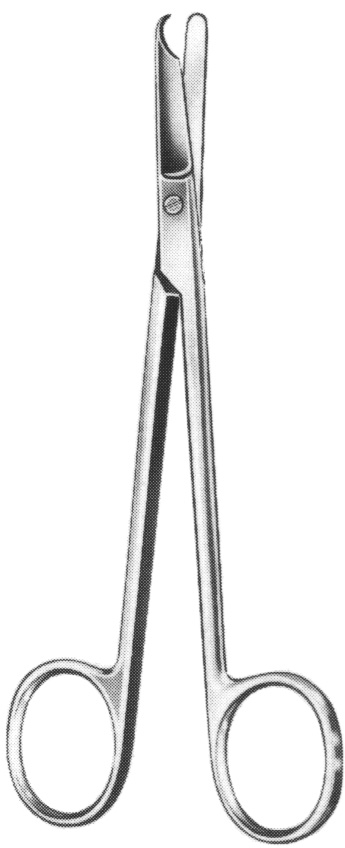
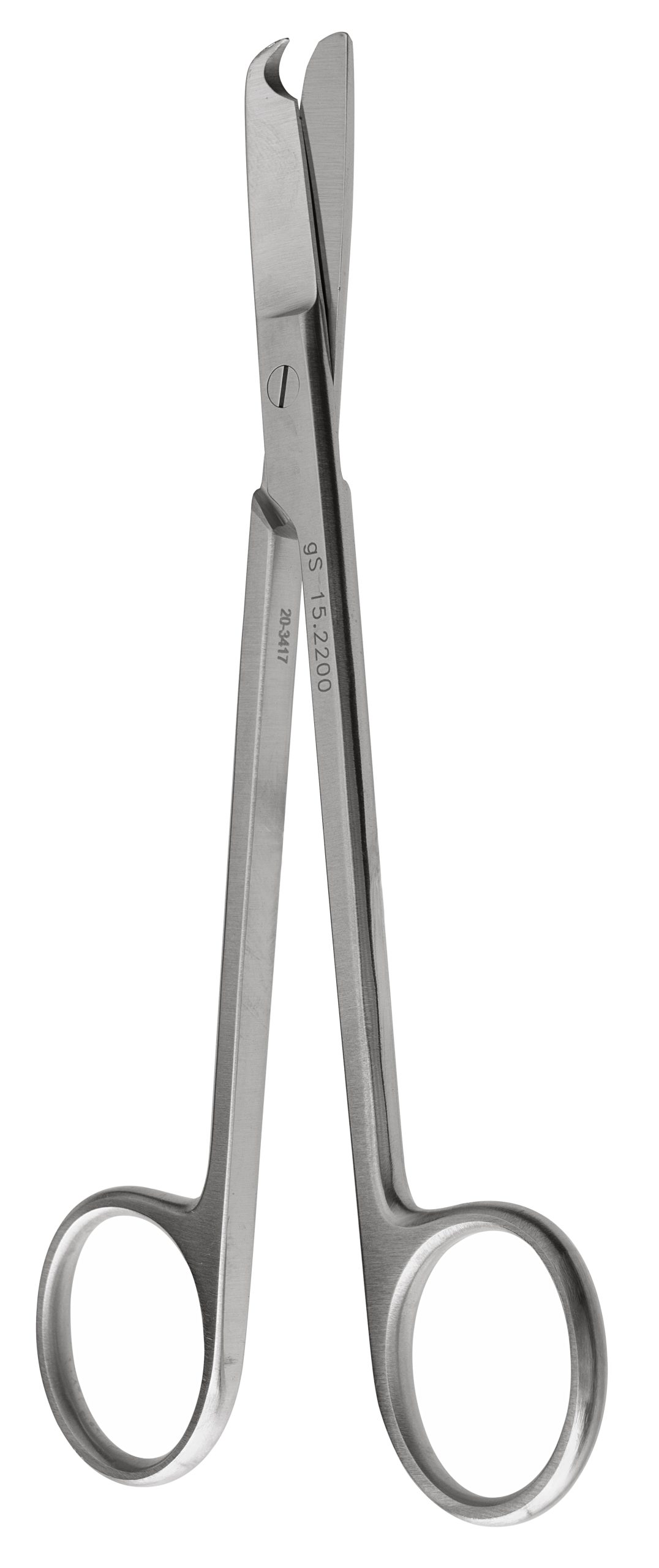
- Littauer stitch scissors: The 5 1/2″ straight blade provides extended reach for removing sutures in deep surgical sites. Procurement teams may select Littauer models when procedures require longer instrument length to access wound areas.
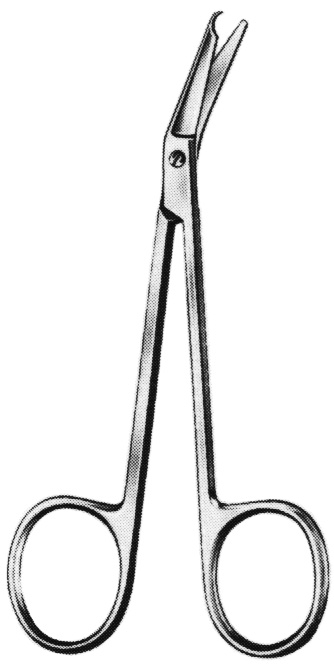
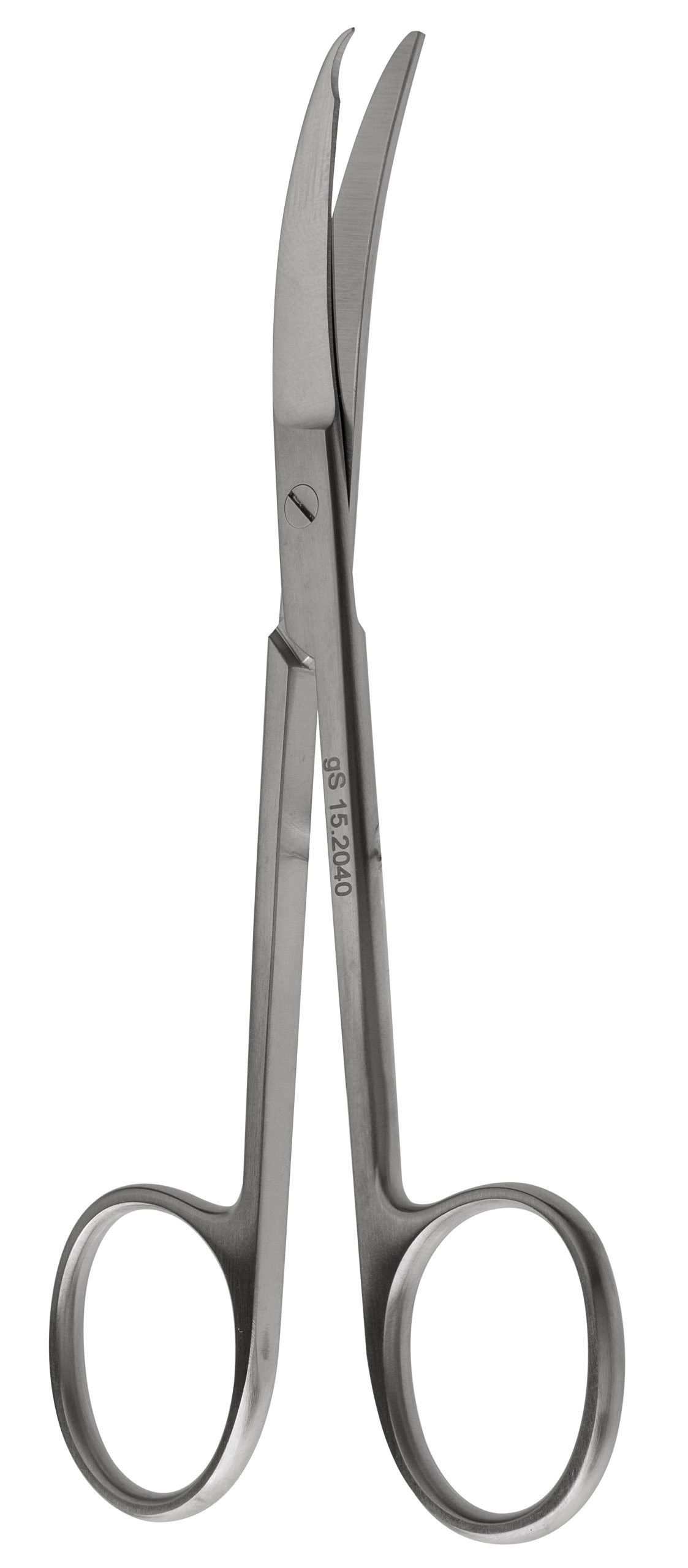
- Northbent stitch scissors: The 4 ¾” angled blade improves sight lines during suture cutting. The Northbent design addresses situations where standard straight scissors limit visibility of the cutting surface.
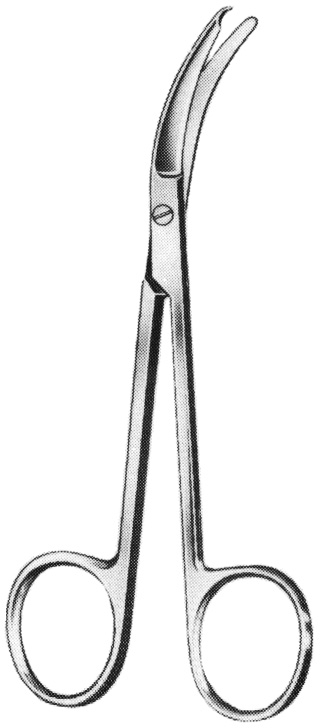
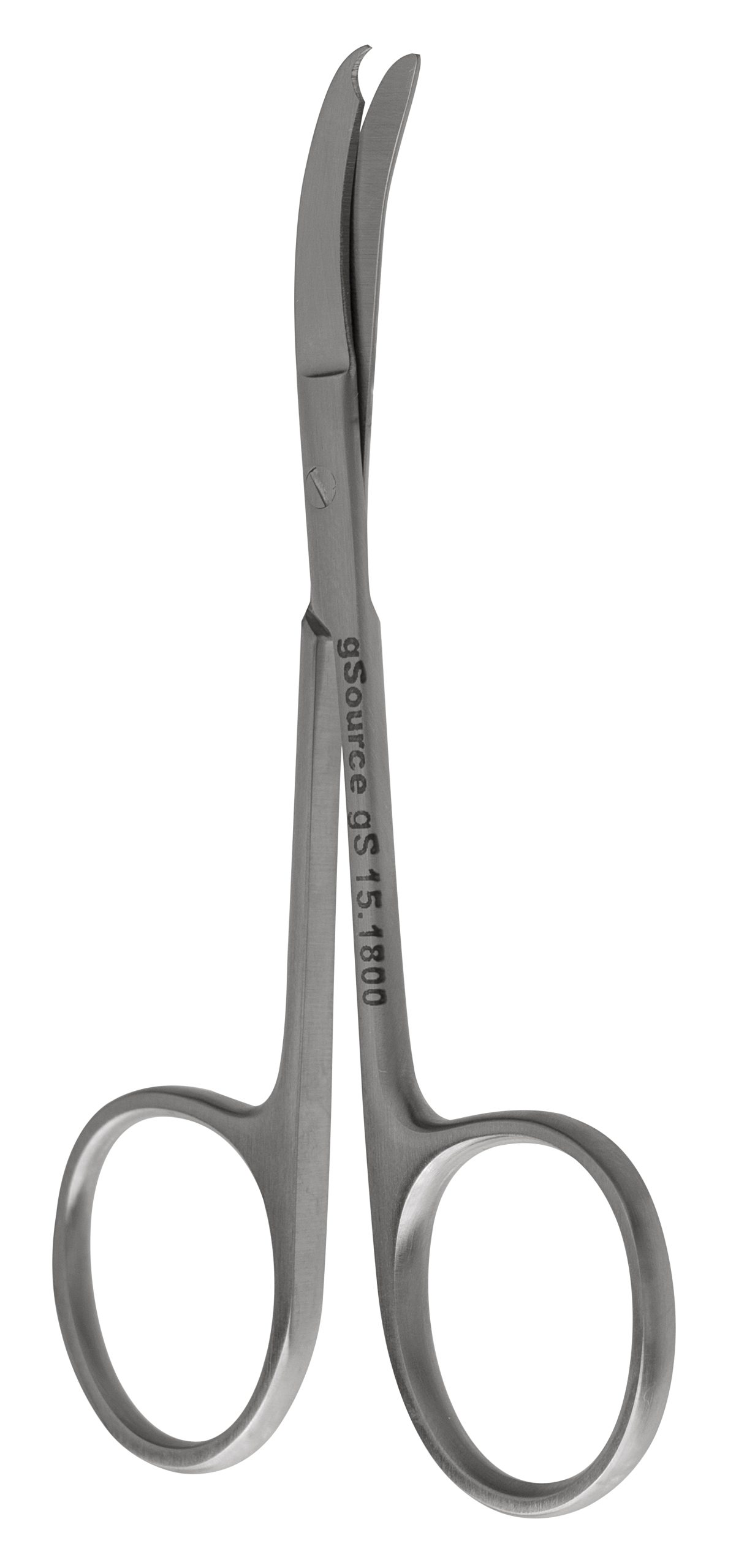
- Shortbent stitch scissors: The 3 ½” curved blade delivers maneuverability on contoured body surfaces. The compact blade length and side angle make Shortbent scissors suitable for confined anatomical locations.
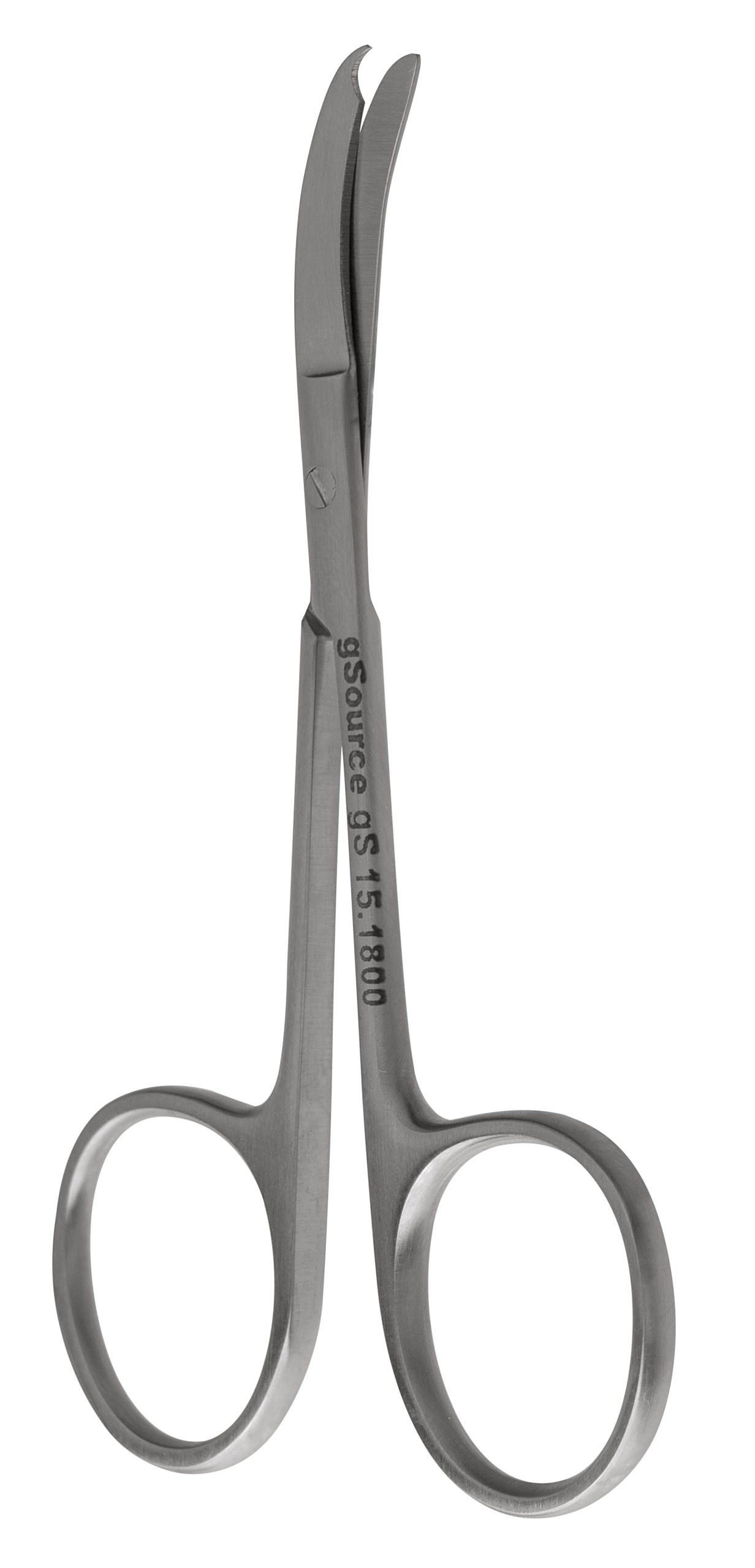
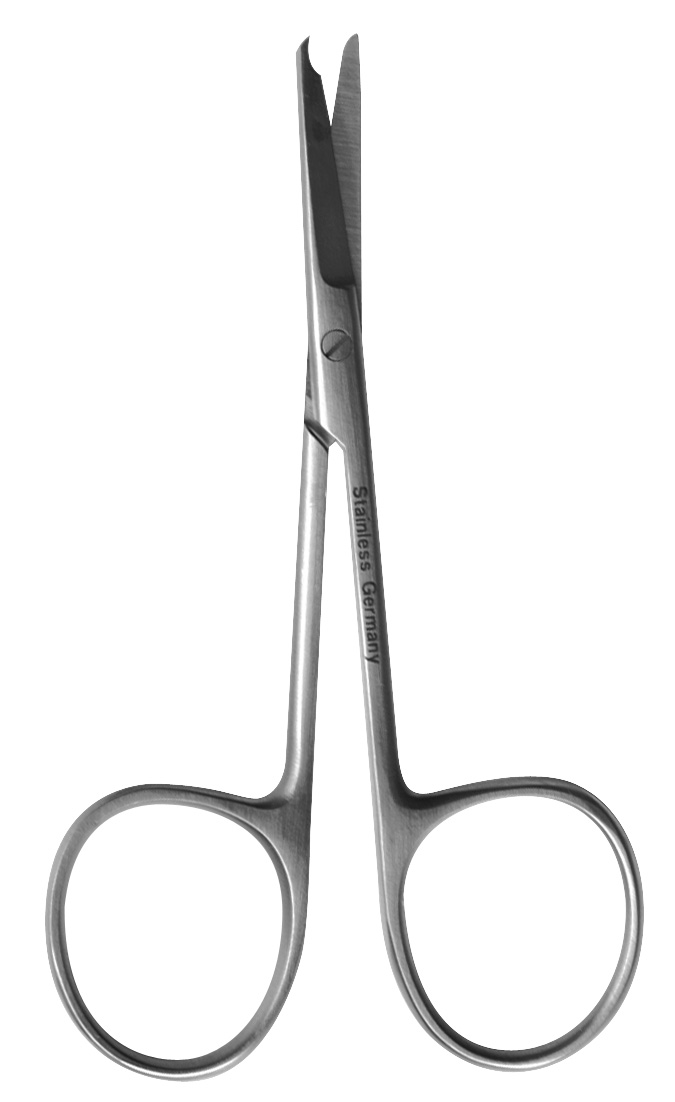
- Spencer stitch scissors: The hooked blade configuration allows users to lift suture material away from tissue before cutting. Spencer stitch removal scissors are available in 3 1/2″ and 5″ lengths to match different access requirements during stitch removal.
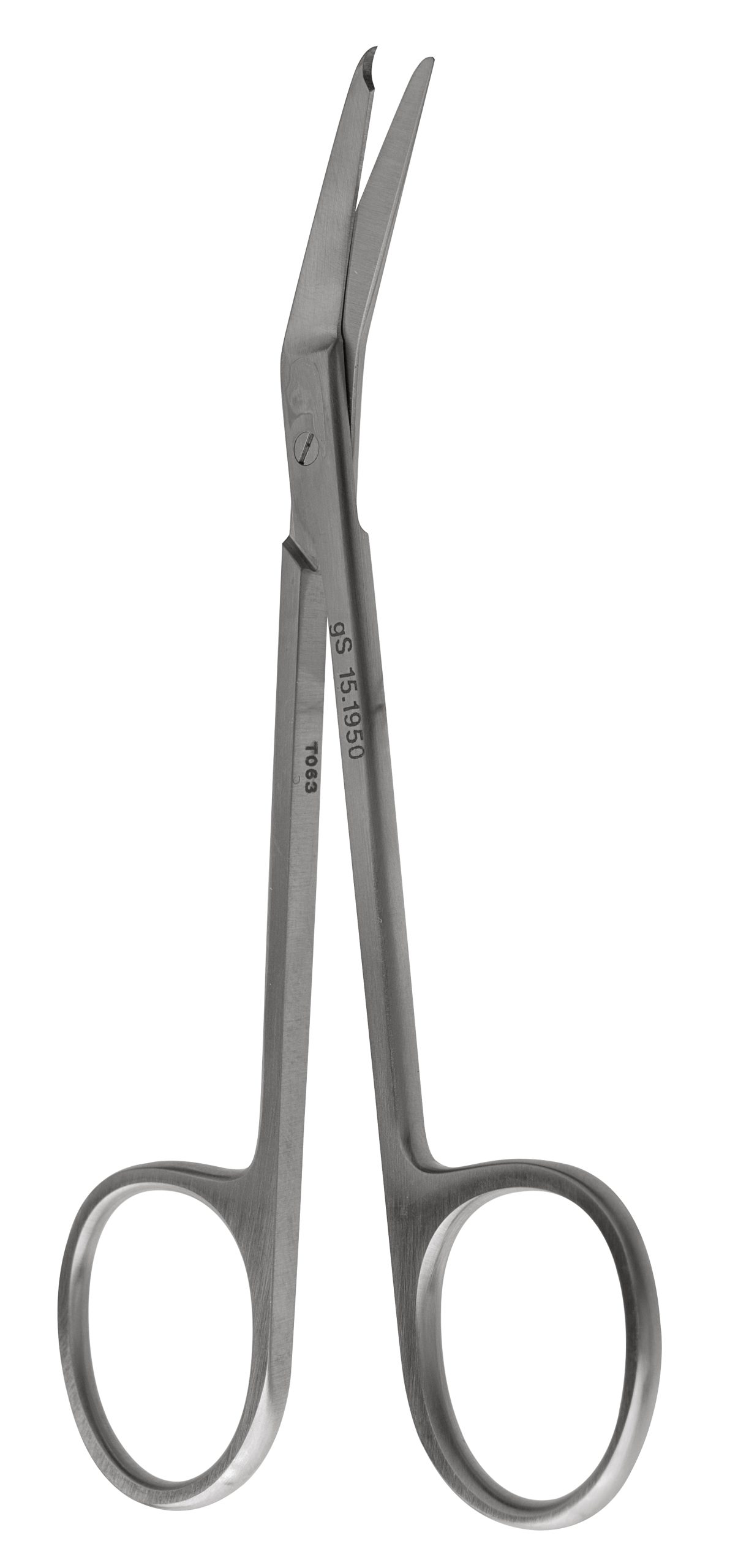
- Angled delicate stitch scissors: The 4 1/2″ angled blade supports fine work in procedures demanding precision. Surgical teams select delicate models when microsurgical applications require controlled cutting with minimal contact with surrounding tissue.
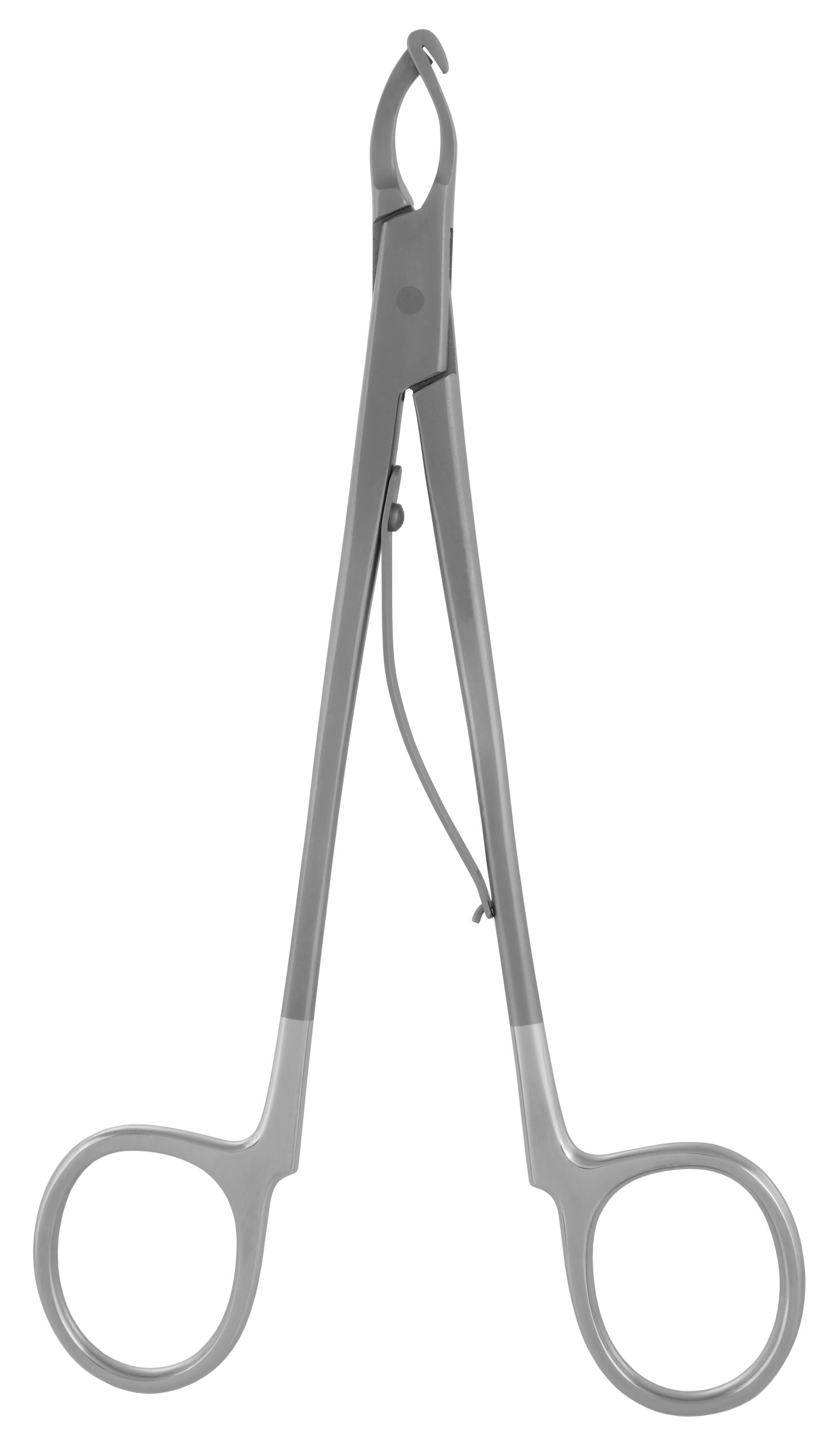
- Suture cutter: The 6″ reversible design accommodates chromic gut sutures ranging from 3-0 to 7-0 gauge and silk sutures from 2-0 to 6-0 gauge. Facilities managing high suture removal volume may stock cutters to streamline workflow.
Evaluating these instrument characteristics helps purchasing departments assemble complete sets aligned with surgical preferences and case mix. gSource manufactures instruments to meet strict quality requirements, giving procurement teams the flexibility to balance performance standards with budget constraints.
Intended Uses in Common Procedures
Suture stitch scissors are used across multiple surgical specialties throughout patient care:
- General surgery teams use these scissors to remove sutures following abdominal wall closure, vascular access procedures and soft tissue repairs.
- Plastic and reconstructive surgeons often rely on these instruments for suture management, where aesthetic outcomes depend on minimal scarring.
- Orthopedic departments incorporate stitch scissors into protocols for wound closure after arthroplasty, fracture fixation and ligament reconstruction.
- Emergency medicine and urgent care settings maintain a supply of stitch scissors for laceration repair and follow-up suture removal visits.
Match instrument selections to procedural applications for consistent clinical outcomes.
Maintaining the Quality of Your gSource Instruments
Routine care extends the functional life of surgical instruments and protects your capital investment:
- Adhere to manufacturer sterilization protocols to maintain blade sharpness and prevent material degradation.
- Inspect instruments before each use for edge nicks, joint looseness or surface corrosion.
- Use designated instrument trays during transport and reprocessing to avoid impact damage.
- Complete drying after cleaning prevents mineral buildup that compromises cutting performance.
Following these practices helps ensure that stitch scissors remain reliable across multiple sterilization cycles.
Source Your Stitch Scissors Through gSource
gSource maintains an inventory of more than 95,000 surgical instruments available for immediate shipment. Avoid supply interruptions and maintain the inventory levels that keep your surgical schedule on track.
Contact us for assistance to discuss bulk orders or specialized procurement needs, or place your order today.