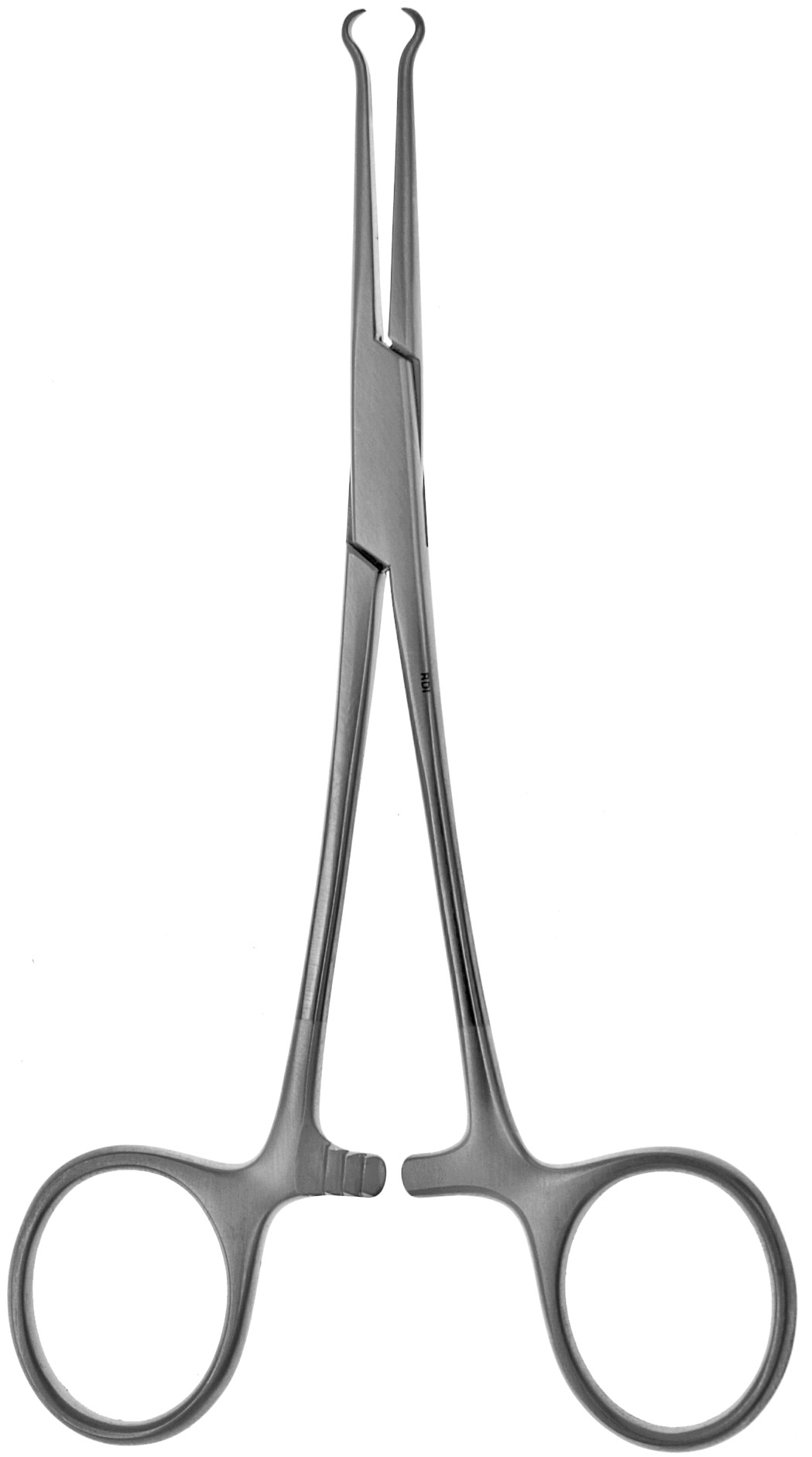
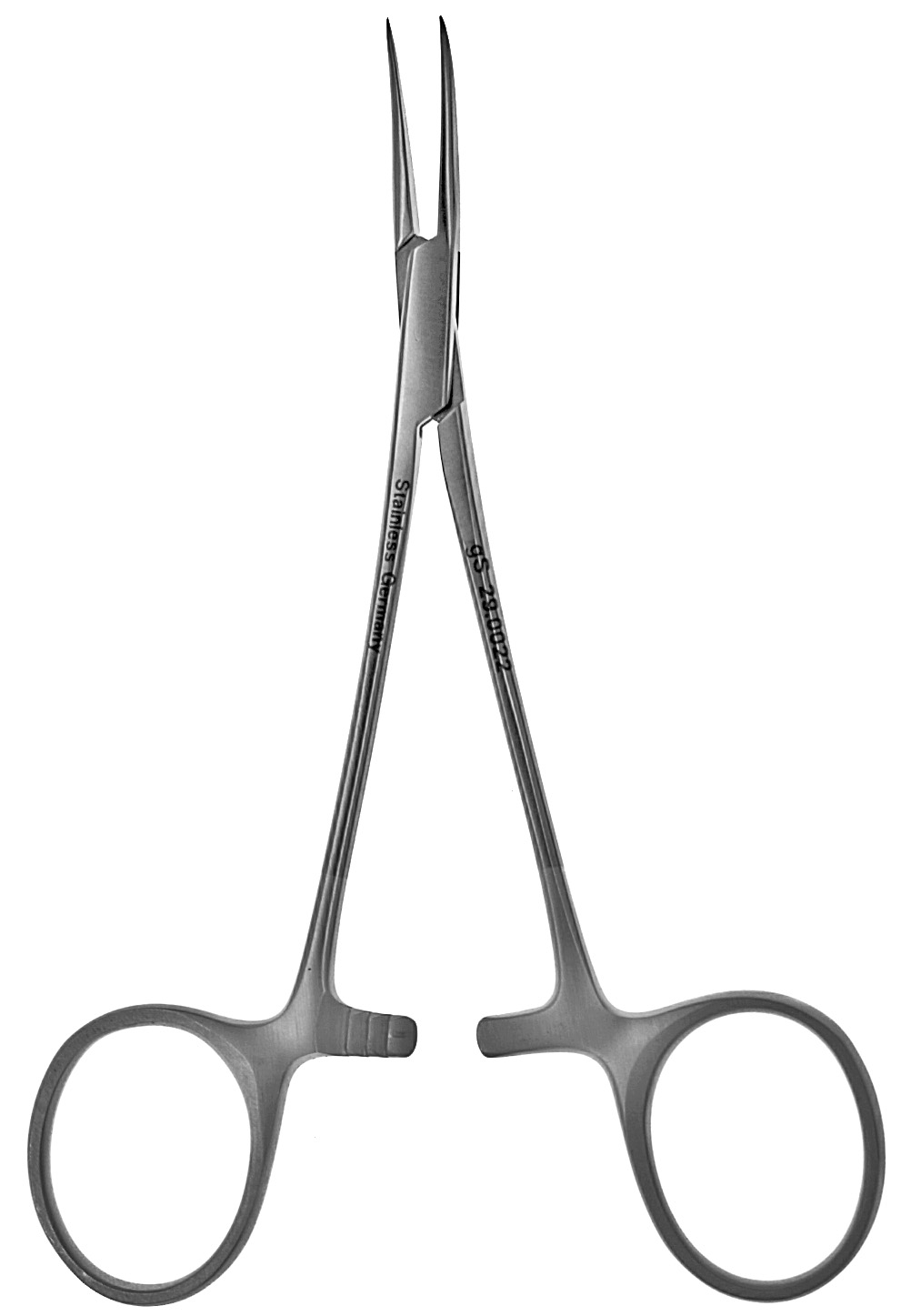
Urological Surgical Instruments From gSource
Matching tools to surgical workflows and facility needs starts with clear information about design features and clinical applications. The sections below provide the context procurement teams need to make more confident decisions.
Selecting the Right Tool for Your Application
Instrument selection depends on procedural requirements, anatomical access needs and surgeon preferences. When evaluating urology surgical instruments for your facility, consider the tips, handles and material composition.
- Tips: Tip geometry influences access capabilities and tissue interactions. Blunt tips can help minimize trauma during exploration, while sharp or angled configurations may enable more precise cutting or dissection in confined anatomical spaces.
- Handles: Ergonomic handles can help reduce hand fatigue during lengthy procedures and may improve control during delicate maneuvers. Textured or ringed handles often provide a more secure grip even when wet, while finger loops can accommodate different hand sizes and surgical approaches.
- Material composition: Materials can influence how well tools withstand rigorous cleaning protocols. High-grade stainless steel typically helps maintain sharp edges and may resist degradation through multiple autoclave cycles.
For vasectomy procedures specifically, specialized forceps can support secure tissue handling during vas deferens isolation and ligation. The vasectomy forceps category includes multiple configurations to accommodate different surgical techniques and patient anatomies.
Understanding Their Role in Common Procedures
Urology surgery instruments serve distinct functions across diagnostic and therapeutic settings:
- Cystoscopy: Rigid and flexible tools can facilitate direct visualization of the bladder and urethra for diagnostic evaluation or therapeutic procedures. These instruments help surgeons identify potential abnormalities and support treatment planning.
- Ureteroscopy: Specialized instruments may be used to access the upper urinary tract for stone removal or tissue biopsy. The narrow working channels typically require tools with precise tip control and durability under repeated use.
- Vasectomy: Precision tools support vas deferens isolation, transection and occlusion during these outpatient procedures. Appropriate selection can help ensure efficiency while reducing tissue trauma.
Simplifying Your Procurement and Supply Process
We have a large inventory across instrument categories, helping to reduce lead times and backorder risks. Our team supports bulk instrument ordering and maintains ISO 13485 and EU MDR compliance documentation for your audit requirements. Whether you need to replace aging tools or equip a new surgical suite, gSource delivers the reliability and responsiveness procurement managers require.
Protecting Your gSource Investment
Proper maintenance can help extend instrument lifespan.
- Follow manufacturer guidelines for cleaning protocols and sterilization parameters specific to each tool type.
- Review each instrument before use to identify wear patterns or functionality concerns early.
- Keep instruments separated in protective trays to avoid damage as they move through your facility.
- Maintain detailed service logs that track maintenance cycles and replacement dates to support life cycle planning.
Equip Your Urology Team Today
gSource simplifies access to the urological instruments your facility requires. We select only superior materials for lasting durability and performance. Our team responds quickly to purchasing inquiries and provides technical specifications to support your compliance review process. Fill out our online form to discuss your needs, or purchase instruments used in urology surgery today.