A Supplier’s Guide to Scalpel Handles in Veterinary Surgery
Procurement decisions depend on the handle configuration and the blade compatibility requirements of each veterinary specialty. Explore the key differences between models to identify the right surgical scalpel handles for your facility.
Matching the Instrument to Your Needs
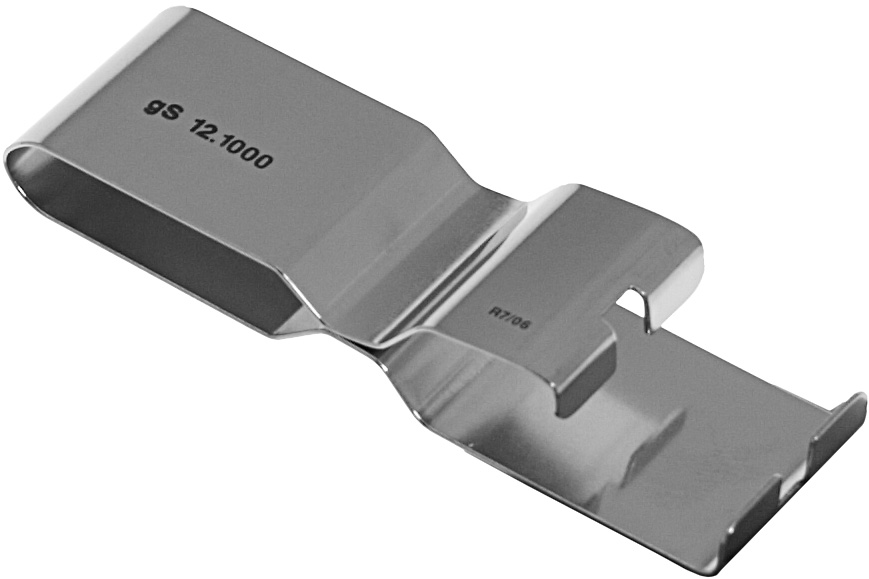
Each scalpel handle serves a distinct purpose based on its size, blade compatibility and shaft design. Blade removal instruments provide safe, contactless blade disposal from all handle configurations.
When evaluating options for veterinary applications, consider these common configurations:
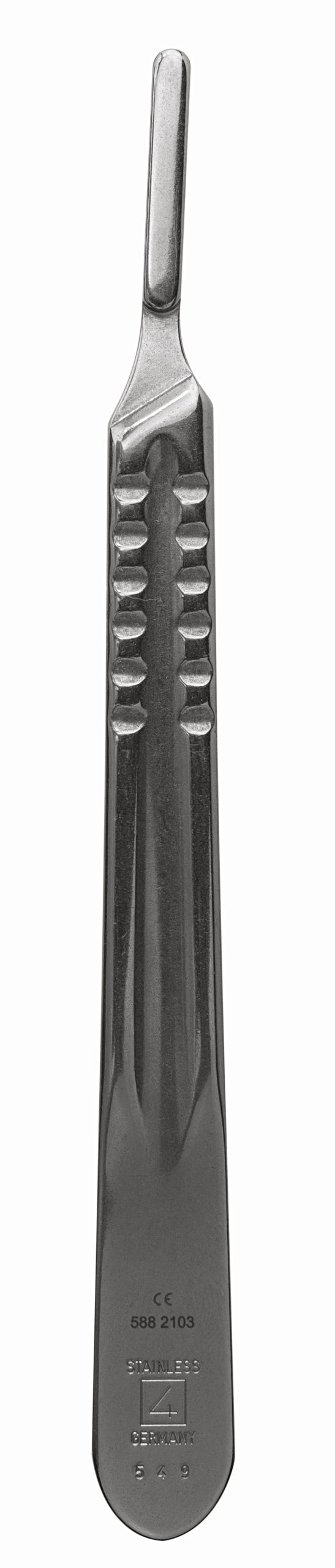
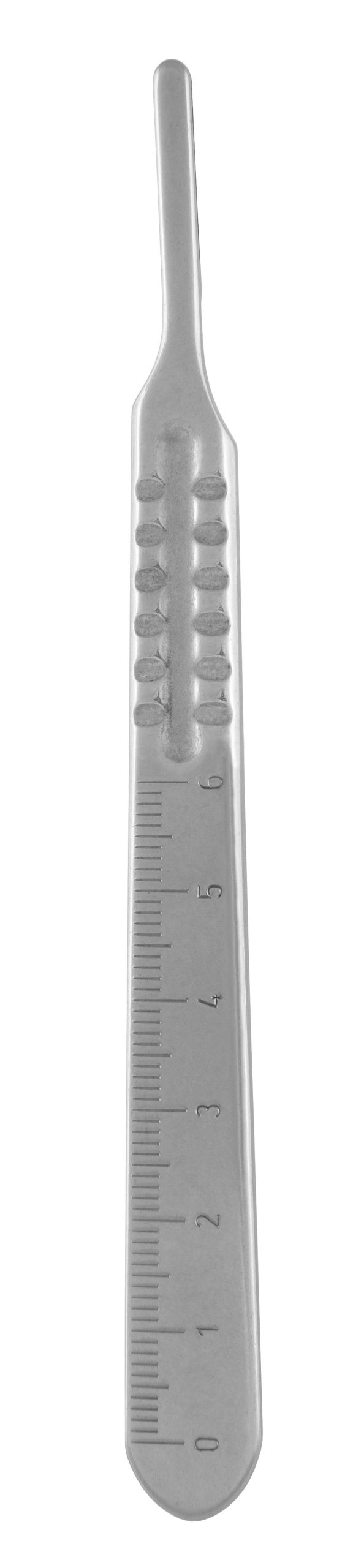
- Handle #3: These handles are available in standard, long and extra long options. Veterinary practices often stock these models for small animal surgery, where precise control is essential.
- Handle #4: This larger-handle design supports large animal procedures that require broader incisions and deeper tissue access.
- Handle #7: This long, slender handle provides extended reach for working in narrow spaces during thoracic or abdominal procedures.
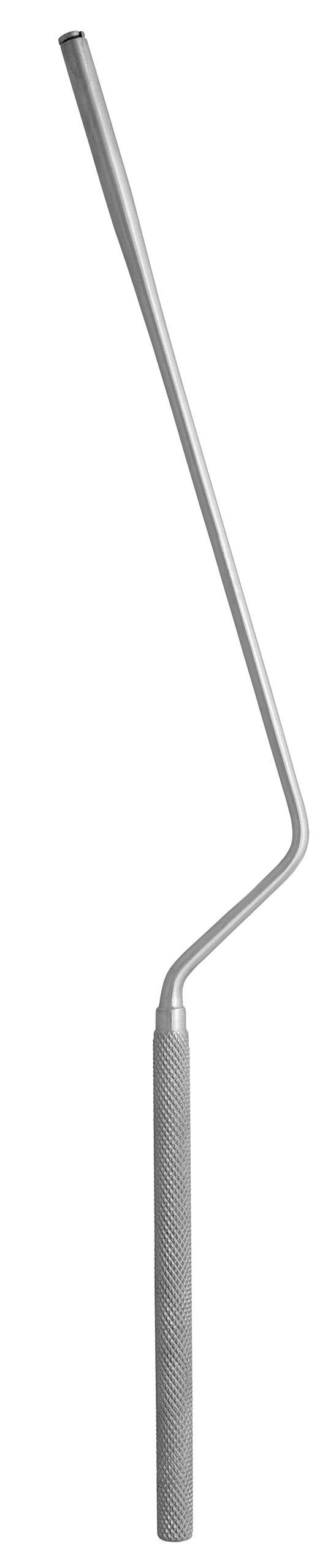
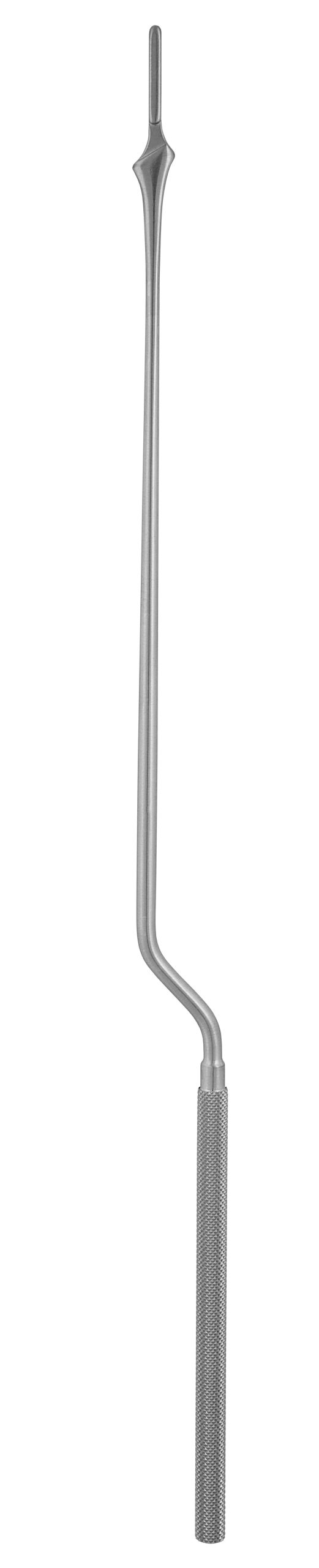
- Bayonet handle: This angled handle elevates the surgeon’s hand above the incision site. Practices may stock bayonet-handle options for ophthalmic work and microsurgical applications.
- Landolt handle: This bayonet-style microsurgical handle features a round grip and accepts micro blades for veterinary ophthalmic procedures and fine tissue work.
- Siegel handle: This handle features a round profile that enables smooth grip rotation for precise blade angle adjustment. Surgical teams select Siegel handle models when rotational control is critical.
- Ulrich Fistula Knife: This specialized instrument features a thin blade and narrow handle for micro-incisions. The Ulrich configuration supports delicate work on small or exotic animals.
Intended Uses in Common Procedures
Scalpel handle instruments serve essential roles across general and specialized veterinary applications:
- Small animal practitioners commonly use #3 handles for routine soft tissue surgery, including spay, neuter and mass removal procedures.
- Large animal veterinarians may choose #4 configurations during equine colic surgery, bovine cesarean sections and other procedures requiring robust cutting capacity.
- Veterinary ophthalmologists commonly select bayonet and Landolt handles during cataract surgery, enucleation and corneal procedures.
- Exotic animal practitioners often use specialized configurations, including the Ulrich Fistula Knife, for procedures on birds, reptiles and small mammals.
The #7 handle supports thoracic surgery in deep anatomical spaces across multiple veterinary specialties. Selecting handles matched to these specific veterinary applications helps support optimal patient outcomes across species.
Maintaining the Quality of Your gSource Instruments
Proper maintenance protects your investment in high-quality veterinary surgical instruments:
- Follow manufacturer guidelines for sterilization to preserve grip integrity and prevent corrosion.
- Conduct routine inspections for blade attachment wear, surface damage or grip deterioration before each procedure.
- Handle and store instruments in a clean, dry environment and protect them from damage during transport and sterilization cycles.
- Ensure thorough drying after cleaning to prevent water spots and mineral deposits.
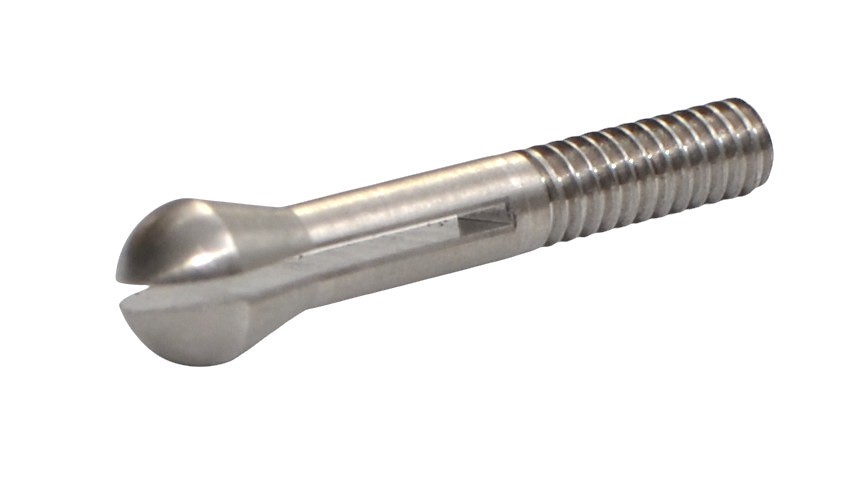
When properly maintained, premium scalpel handle instruments deliver years of reliable service. Replacement screws for scalpel handles further prolong the lifespan of these instruments.
Stock Your Practice With Quality Scalpel Handles
gSource simplifies veterinary surgical instrument procurement with a catalog of over 95,000 products in stock and ready to ship. Whether you require scalpel handles or other medical instruments, our team can coordinate bulk orders and provide detailed specifications. Browse our selection of quality-tested veterinary instruments to find everything your practice needs.
Contact our team for more information, or order quality scalpel handles now.